UTC Condos: New Construction vs. Resale
January 22, 2026
January 22, 2026
Thinking about a condo in UTC but not sure whether new construction or a resale fits you best? You are not alone. With UC San Diego, major biotech and medical employers, and the Mid-Coast Trolley nearby, UTC offers a mix of modern projects and established communities that appeal to many lifestyles. In this guide, you will learn how finishes, HOA fees, maintenance, timelines, financing, taxes, and rental rules differ so you can buy with confidence. Let’s dive in.
UTC sits between La Jolla and central San Diego with fast access to I-5, I-805, and the trolley extension to UC San Diego. This location draws faculty and researchers, healthcare and biotech professionals, commuters, downsizers, and investors. You will find both older garden-style and midrise communities and newer, amenity-rich developments. That variety gives you choices on price point, lifestyle, and maintenance level.
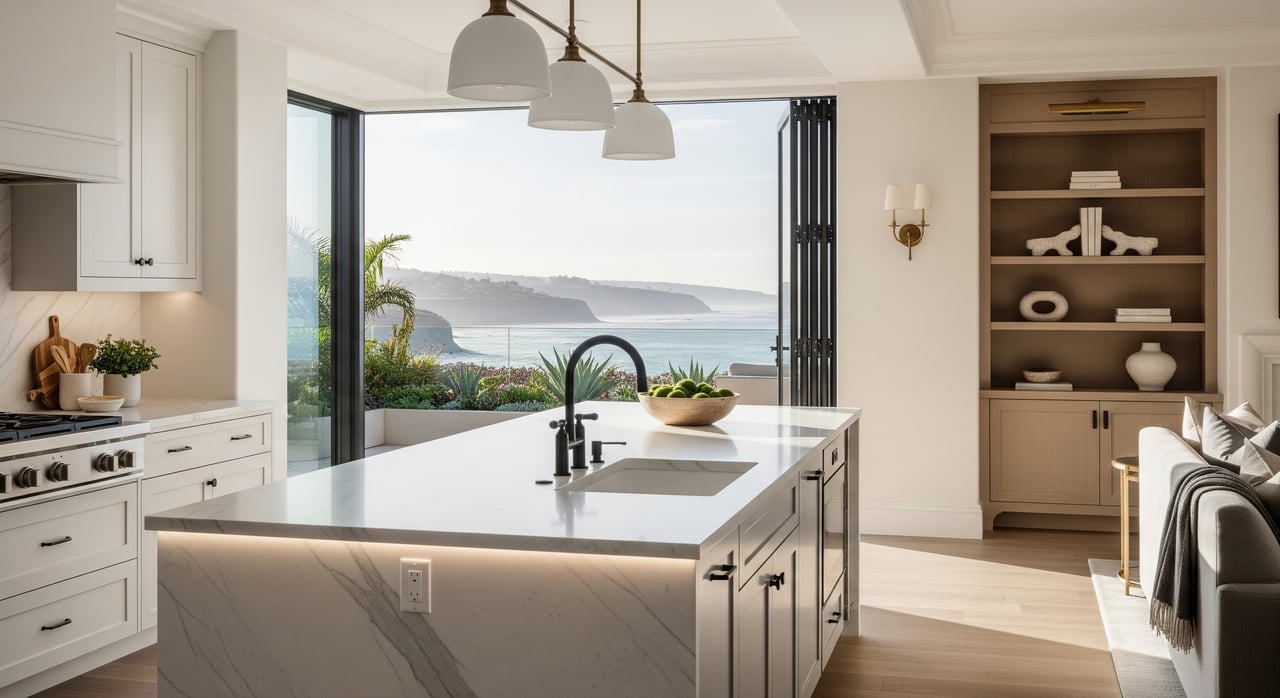
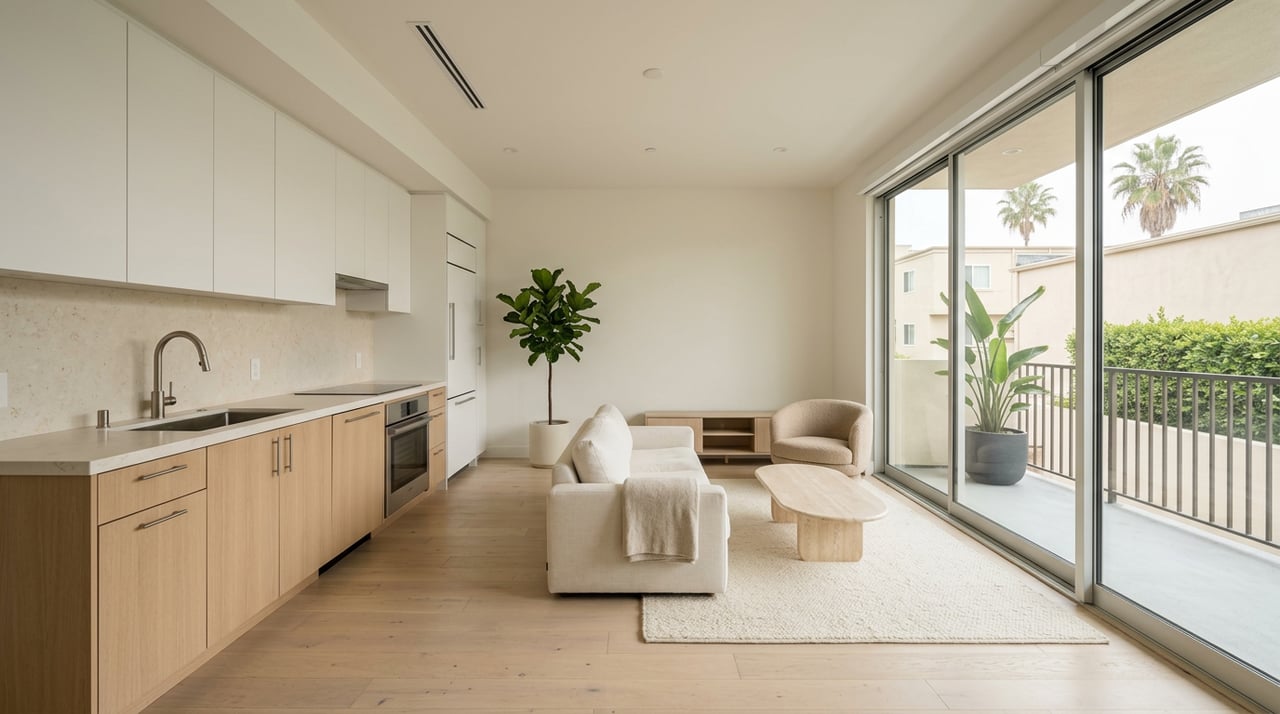
New buildings tend to feature open layouts, larger windows, modern kitchens and baths, and in-unit laundry. Energy-efficient HVAC, windows, and EV-ready parking wiring are common. You may be able to select upgrades or negotiate credits, with all work delivered on the builder’s timeline. Most builders offer limited warranties on finishes, systems, and structure, each with different terms.
Resale condos in UTC range from original condition to fully renovated. Some older units offer larger footprints or quieter exposures. You may face near-term costs if kitchens, baths, or mechanical systems are dated. Always confirm that past remodels were permitted and completed by licensed professionals.
When amenities include concierge services, fitness centers, pools, lush landscaping, clubhouses, 24/7 security, or EV charging, monthly fees often start higher. Newer systems can keep near-term maintenance lower. Watch for reserve funding levels and how fees may adjust as the community matures.
Fees vary widely. Older communities with fewer amenities sometimes keep dues lower, but that can come with higher special assessments if reserves are thin. Look for year-over-year fee trends and whether utilities are included.
Expect lower maintenance needs in the first years and warranty coverage on many components. Defects can still appear after move-in, so research the builder’s track record and any active litigation tied to the project.
Common areas like roofing, elevators, and plumbing stacks may require repair or replacement in older buildings. Review the HOA maintenance history and what major projects are planned. Some older properties may need updates to meet newer codes.
Some older UTC complexes include concrete decks or parking structures that need periodic repair. Coastal exposure can impact exterior finishes over time. Include exterior and structure condition in your evaluation.
If you buy before completion, delivery can take months to years depending on phase and permitting. Builders often set specific processes and may limit contingencies or shorten inspection windows. Read cancellation rules and deposit refund terms closely, and clarify any preferred lender or title requirements.
Most resale condos close in about 30 to 45 days, depending on financing, inspections, appraisal, and HOA document timing. Resale can move quicker when sellers are motivated and documents are ready. Standard contingencies include inspection, loan, appraisal, and HOA review.
Some lenders need more documentation on new condo projects, especially if sales are still underway. FHA or VA approval may not be available early on. Builders sometimes offer incentives through preferred lenders, so compare the total cost with market options.
Established projects often meet lender requirements, but you should confirm case by case. FHA and VA approvals may exist for certain communities, which can widen your financing choices.
Confirm the HOA master policy type and what it covers. This determines your HO-6 policy needs for interior finishes and improvements. Request the master insurance declarations early to avoid surprises.
California’s base property tax is roughly 1 percent of assessed value plus local assessments. New construction buyers may receive supplemental tax bills after closing. Some newer developments include Mello-Roos or Community Facilities District taxes, which add to your annual property tax burden. Older HOAs sometimes levy special assessments to fund repairs. Verify all taxes and assessments through title, the County Assessor, and HOA disclosures.
HOA rules vary on minimum lease terms, owner occupancy, and investor caps. The City of San Diego also regulates short-term rentals and requires registration and compliance with operating standards. UTC’s proximity to UCSD and major employers supports long-term rental demand, but your ability to rent depends on both HOA and city rules. If you plan to rent, confirm all requirements before you write an offer.
Key value drivers in UTC include proximity to UC San Diego, the La Jolla biotech cluster, transit access, and nearby shopping and services. Floor plan efficiency, secure parking, outdoor space, and useful amenities also matter. Projects with strong reserve funding and no major litigation tend to resell more smoothly and hold value better.
Heavily amenitized buildings can command premiums, but higher dues may limit your buyer pool later. New construction may be priced at a premium and can be more sensitive during market shifts if supply increases. For owner-occupants, focus on lifestyle fit and long-term carrying costs. For investors, model net cash flow after HOA dues, management, vacancy, and realistic cap rates.
If you value modern systems, flexible layouts, and full-service amenities, new construction may fit your lifestyle. If you prioritize space, lower initial dues, or a quieter setting, an established resale community might be the better match. In UTC, your best move is to pair a lifestyle-first approach with a careful review of HOA health, taxes and assessments, financing options, and rental policies. A focused plan helps you buy a place you love and positions you well for resale later.
Ready to compare specific UTC buildings and run the numbers? Connect with Dawn Surprenant for local guidance tailored to your goals.
Stay up to date on the latest real estate trends.



Making Real Estate Easy