Love the character of Mission Hills but not sure how to tell a Craftsman from a Spanish Revival or a Mid-century gem? You are not alone. In a neighborhood built largely in the first half of the 20th century, styles overlap and details matter. In this guide, you will learn how to spot each style, what materials and maintenance to expect, and how to plan light, era-sensitive updates that appeal to today’s buyers while respecting history. Let’s dive in.
Why Mission Hills architecture matters
Mission Hills grew during the early 1900s, so you see a high concentration of bungalows and period revival homes, with mid-century houses added after 1945. Streetscapes feel cohesive thanks to mature trees, consistent lot patterns, and intact façades. That historic character is part of the neighborhood’s value, which is why renovation choices, curb appeal, and even permitting often work best when you consider the style and age of the home.
Some homes may be individually designated historic or located within historic districts. Exterior changes to designated properties can trigger local review by the City of San Diego’s planning and historic resources staff. State and federal preservation standards and tools may also apply, and programs like the Mills Act can offer property tax relief for qualified historic properties.
Craftsman essentials
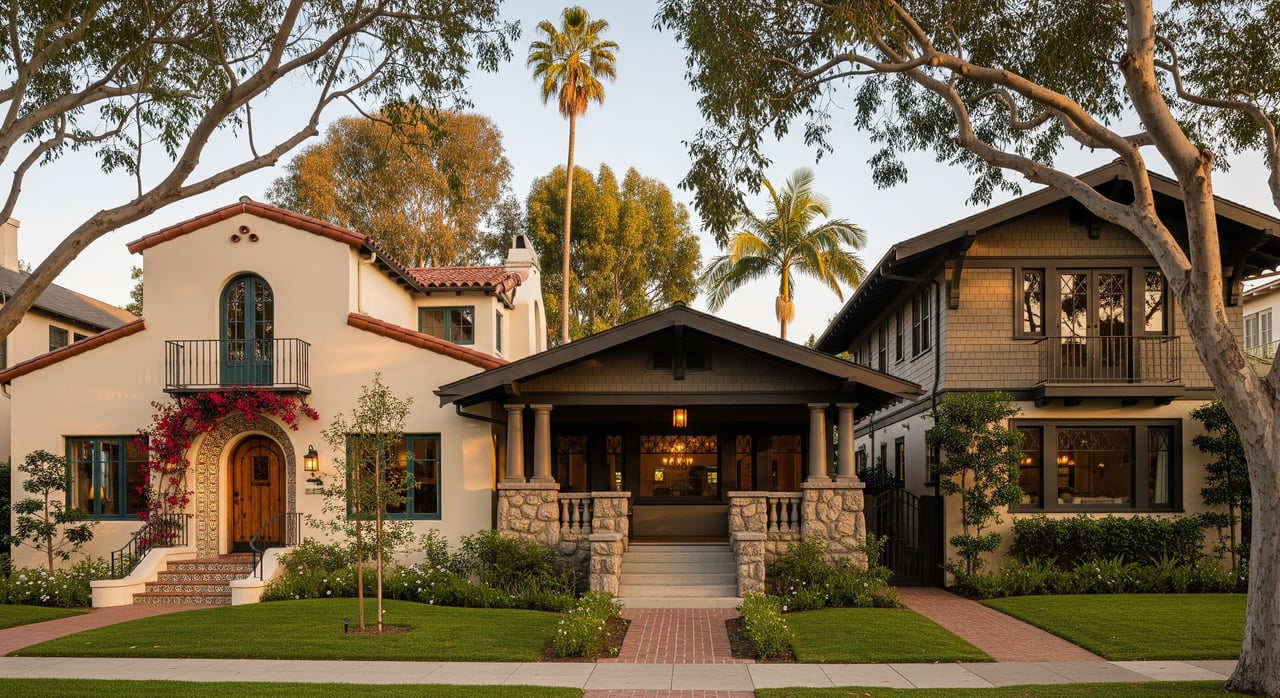
How to spot a Craftsman
- Low-pitched gabled roofs with deep, wide eaves
- Exposed rafter tails and decorative beams
- Tapered or square porch columns on heavy piers
- Substantial front porches and cozy bungalow scale
- Multi-pane upper sashes over single-pane lowers on windows
Materials to expect
- Wood framing with clapboard or wood shingle siding
- Composition shingle roofs today, often replacing original wood shakes
- Masonry or concrete porch piers and chimneys
Common preservation issues
- Wood rot, termite damage, and peeling paint
- Settling or deterioration at porches and columns
- Loss of original windows or built-ins that define character
Light updates that fit
- Refresh paint with earth tones and simple trim to echo the era
- Repair, do not remove, built-in cabinets, benches, and moldings
- Weatherstrip original wood windows or use interior storm panels
- Keep the porch open and inviting with period-appropriate railings
Spanish Revival highlights
How to identify Spanish Revival
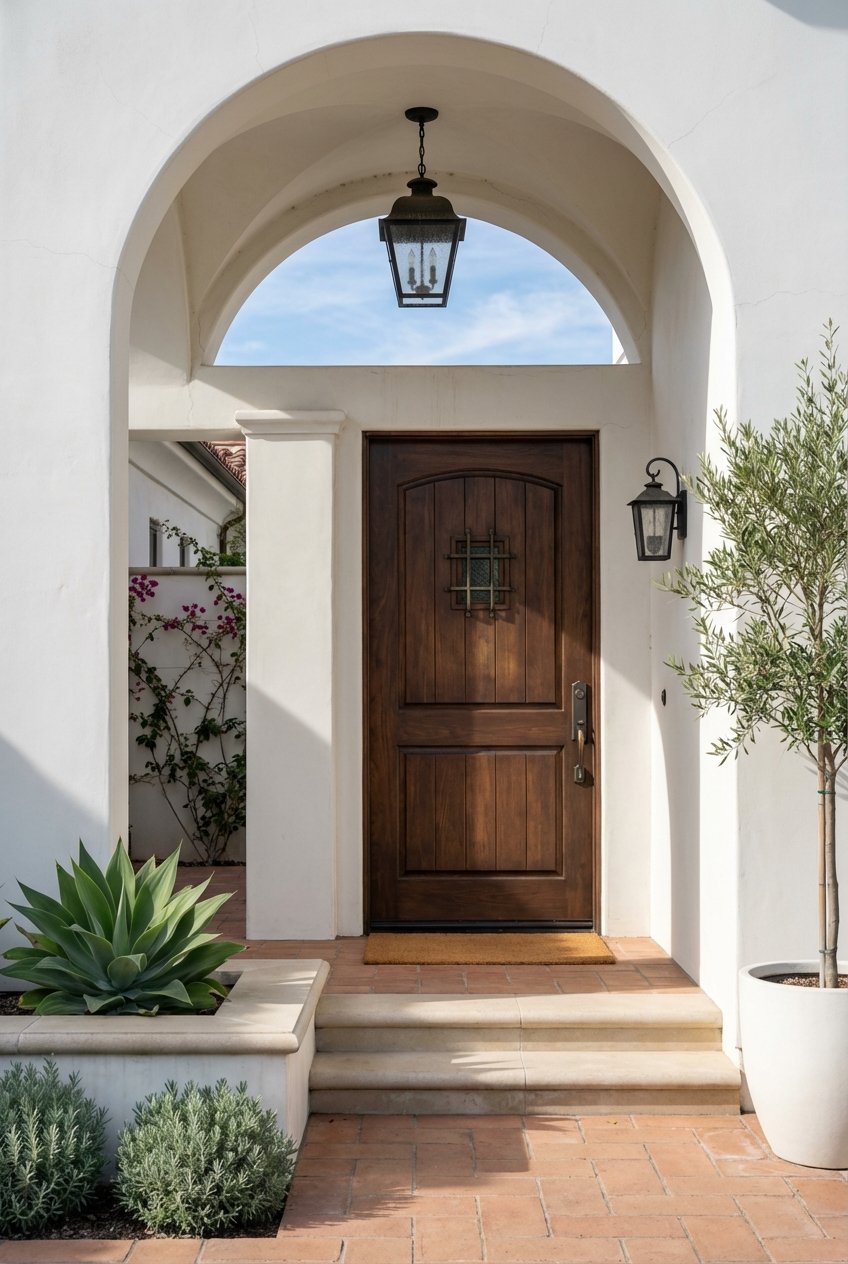
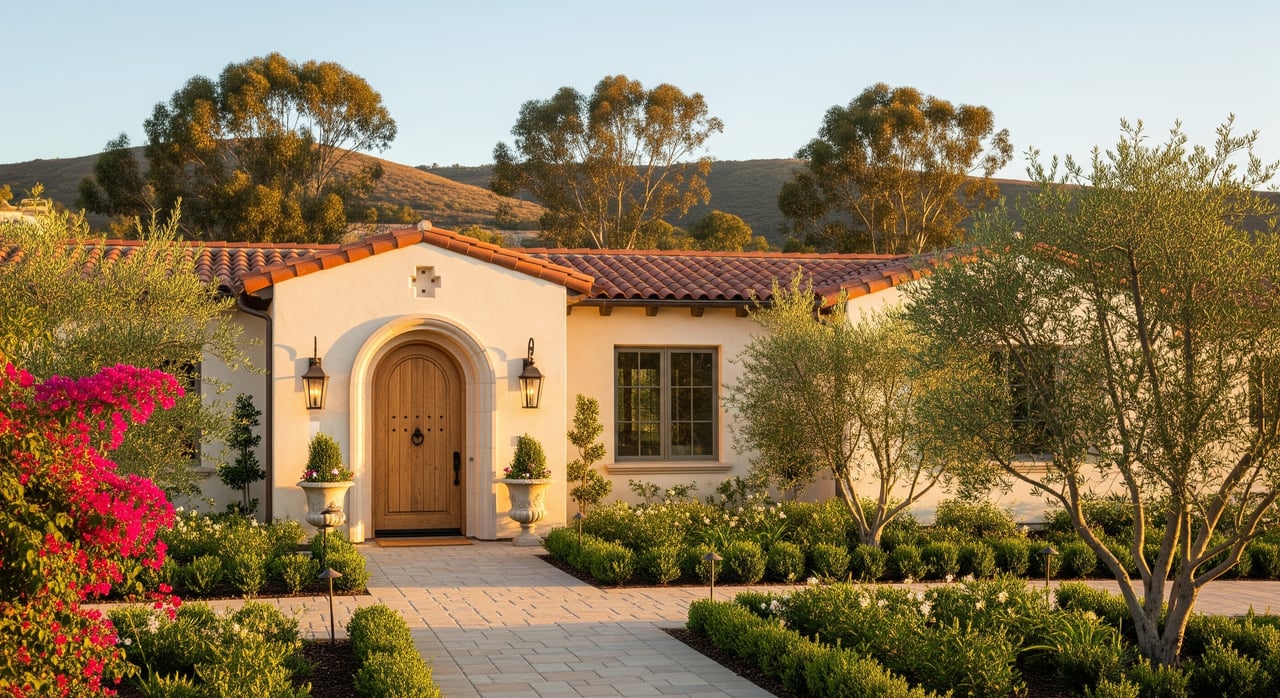
- Smooth or textured stucco walls and asymmetrical façades
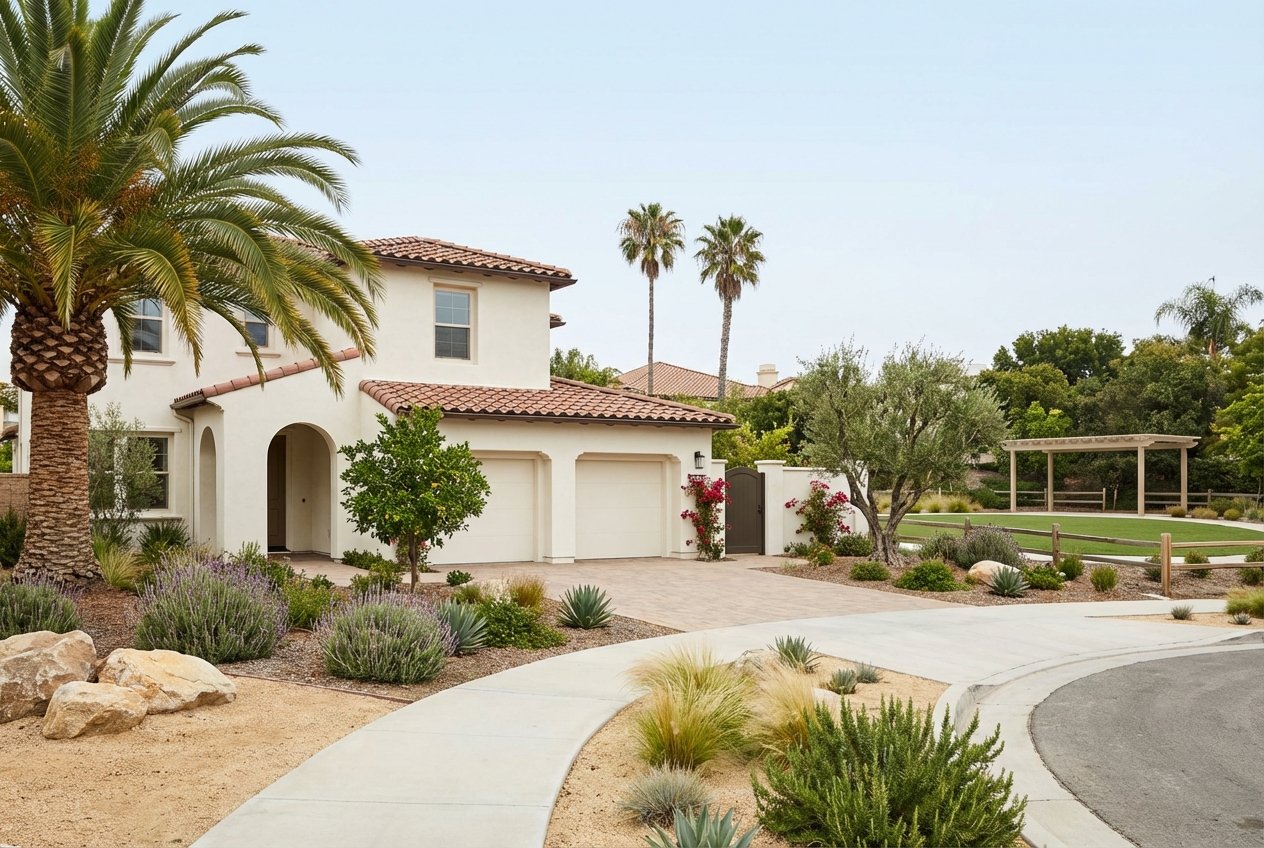
- Low-pitched red clay tile roofs
- Arched entries or windows, with decorative tile accents
- Wrought-iron grilles, balcony rails, and light fixtures
- Courtyards or patio spaces that blend indoor-outdoor living
Materials to expect
- Stucco over wood or masonry
- Clay roof tiles and decorative ceramic tile
- Wrought iron details at entries and balconies
Common preservation issues
- Stucco cracking that can lead to moisture intrusion
- Broken or slipped roof tiles and aging underlayment
- Failing flashing at chimneys and roof penetrations
- Rust in exterior ironwork
Light updates that fit
- Repair stucco and repaint in warm neutrals, then accent with tile
- Re-seat or replace broken tiles and update flashing as needed
- Choose simple landscaping and hardscape that complement stucco and arches
- Use lighting and iron details to highlight entries and courtyards
Mid-century and post-war homes
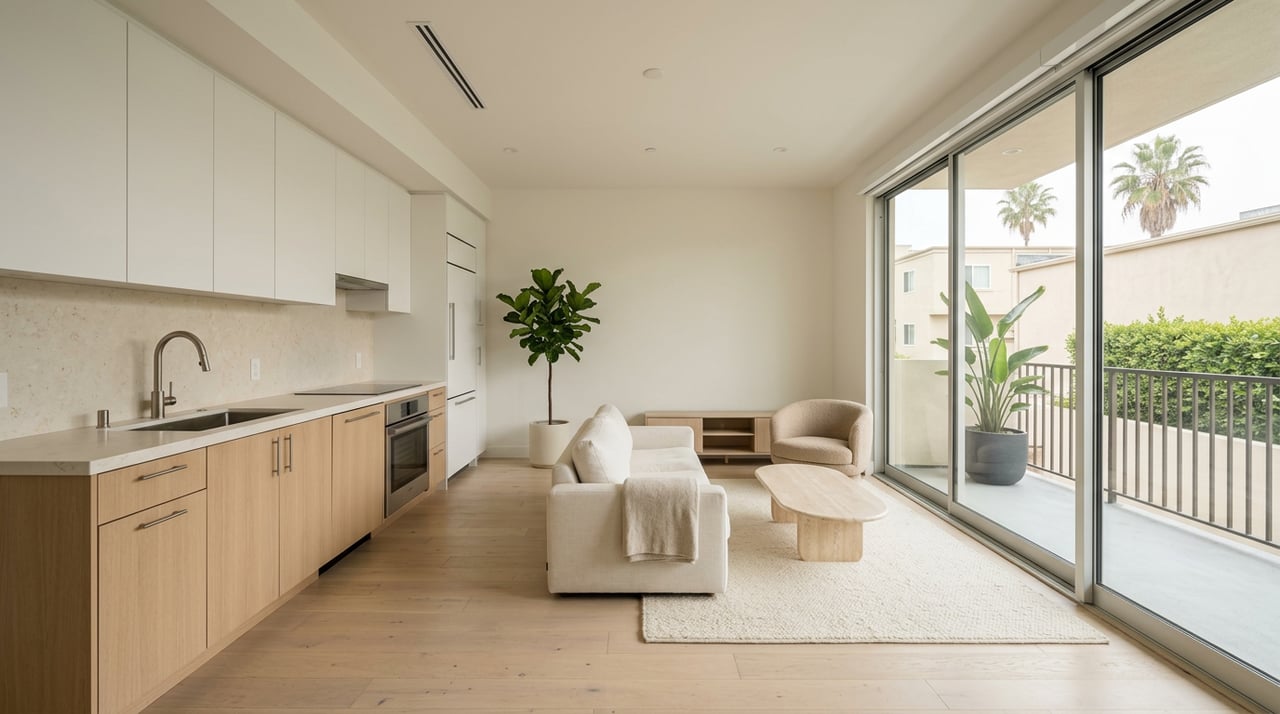
Identification cues
- Flat or low-pitched roofs and broad eaves
- Large picture windows or clerestories, minimal ornamentation
- Open interior plans and indoor-outdoor connections
- Exposed beams or structural elements
Materials to expect
- Stucco or concrete block, sometimes plywood paneling
- Large panes of glass, slab-on-grade or raised foundations
Common preservation issues
- Outdated HVAC, low insulation, and single-pane glazing
- Flat-roof drainage challenges and membrane wear
- Potential presence of mid-century materials that require specialized handling
Light updates that fit
- Improve roof drainage and insulation without changing rooflines
- Add discreet window treatments or interior storms to boost comfort
- Upgrade systems cleanly and keep the plan open with simple finishes
Other styles to know
You will also find select Tudor Revival and Colonial Revival homes. Tudor cues include steeply pitched roofs and half-timbering. Colonial Revival homes are more symmetrical with classical trim. While less common than Craftsman or Spanish Revival, these styles reward the same care for original windows, porches, and façades.
Maintenance and systems checklist
Roofs
- Clay tile: long-lived, but watch for cracked or slipped tiles and aging underlayment. Flashing is a frequent repair item.
- Wood shingle or composition: expect periodic replacement and careful attention to gutters and eaves.
- Flat roofs: monitor for ponding water, membrane failure, and blocked drains.
Exterior cladding and moisture
- Stucco: repair hairline cracks before they widen and allow water in. Ensure proper flashing at windows and rooflines.
- Wood siding and shingles: plan for regular painting, caulking, and termite inspections. Hidden rot can occur at sills and porch beams.
- Drainage and landscaping: keep grading positive and extend downspouts away from foundations.
Structure and seismic
- Older homes may need seismic retrofits like foundation bolting and braced cripple walls. A structural engineer can scope needs.
- Inspect for settlement or foundation cracks before purchase or major work.
Electrical, plumbing, HVAC
- Electrical: early 20th-century homes can have knob-and-tube or cloth-insulated wiring that often needs replacement for safety and capacity.
- Plumbing: galvanized supply lines and cast-iron drains can corrode. Copper or PEX supply and sewer updates are common.
- HVAC and insulation: many older homes lack modern ducting or insulation. Upgrades can improve comfort if done sensitively.
Windows and energy
- Original single-pane windows add character but are less efficient. Consider repair, weatherstripping, and interior storm panels.
- Replacing exterior windows in designated properties can require review. Keep original profiles where possible.
Hazardous materials
- Lead-based paint: homes built before 1978 may contain lead. The EPA’s Renovation, Repair and Painting Rule requires certified contractors for certain work.
- Asbestos: some mid-century materials can contain asbestos. Testing and licensed abatement may be necessary before demolition.
Pests and moisture
- Termites and dry rot are common in wood-framed homes. Schedule periodic structural pest inspections and control moisture around the foundation.
Renovation with respect
Core principles
- Prioritize repair over replacement to retain historic fabric and control costs.
- When replacement is necessary, match original materials and profiles.
- Protect public-facing features like the front porch, roofline, primary windows, and entry door.
Common light projects
- Paint and trim refresh using era-friendly palettes
- Porch and railing repair with in-kind materials
- Kitchen and bath updates that keep moldings and built-ins
- Window weatherstripping or interior storm panels for comfort
- Simple, period-aware landscaping for curb appeal
Staging cues by style
- Craftsman: highlight the porch, wood tones, and built-ins with simple, handcrafted furnishings.
- Spanish Revival: emphasize arches, tile, and courtyards with warm textures and restrained iron accents.
- Mid-century: keep furnishings minimal to spotlight light and flow, and draw attention to indoor-outdoor connections.
Permits, review, and incentives
Many structural, roofing, electrical, plumbing, and window projects require permits in San Diego. If a property is designated or in a historic district, exterior changes may also require design review and alignment with recognized rehabilitation standards. Early conversations with city planning and historic resources staff can prevent delays and rework.
If you own or are considering a designated property, you may explore incentives such as the Mills Act, which can provide property tax benefits for qualified historic homes. Eligibility and availability are local, so confirm details with the city and state preservation offices before you budget.
Recommended pros for Mission Hills projects include a general contractor experienced with historic homes, a preservation-minded architect, a structural engineer for seismic scope, a pest inspector, and city contacts who can guide permitting and review.
Buyer and seller playbook
For buyers
- Check historic designation status early and understand any review requirements.
- Order specialized inspections for structure, pests, electrical, plumbing, and HVAC.
- Budget for typical upgrades like roof work, system replacements, or window repairs.
For sellers
- Disclose known hazards like lead paint or asbestos, structural issues, historic status, and any preservation covenants.
- Focus on curb-facing repairs and paint, porch stability, and roof and stucco maintenance.
- Stage to the home’s style to maximize appeal without heavy renovation.
Cost drivers to watch
- Roof material and scope, foundation and seismic work, and full system replacements are large line items.
- Historically appropriate exterior work like windows, porches, and stucco can be costlier than standard replacements.
- Cosmetic updates are usually manageable, but stay aligned with the home’s style and any review rules.
Ready to make a move in Mission Hills?
Whether you are buying a classic bungalow, prepping a Spanish Revival to list, or weighing updates to a mid-century home, you deserve clear guidance tailored to Mission Hills. If you want help prioritizing repairs, staging with style, or navigating permits and incentives, let’s talk. Connect with Dawn Surprenant for a style-savvy consultation and a plan to maximize your results.
FAQs
How do I confirm if a Mission Hills property is historic?
- Check local records and the city’s historical resources listings, then verify with planning staff or a preservation professional before you plan exterior work.
Can I replace original windows in a Mission Hills home?
- It depends on designation. Non-designated homes can often replace windows, but style matters. Designated properties usually require review, and repair or in-kind replacement is preferred.
Are there tax incentives for preserving a Mission Hills home?
- Programs such as the Mills Act may offer property tax relief for qualified historic properties. Confirm eligibility and terms with local and state preservation offices.
What surprise costs are common in older Mission Hills homes?
- Termite or rot repair, outdated electrical or plumbing, seismic retrofits, and hidden foundation issues are frequent drivers of budget changes.
Do I need a preservation architect for small projects?
- For cosmetic work, a contractor experienced with older homes may suffice. For exterior changes, structural work, or designated properties, a preservation-minded architect is recommended.