Is your La Mesa home worth more than you think, or is the market telling a different story? Pricing is where the sale is won or lost. You want a price that commands attention without leaving money on the table. In this guide, you’ll learn how local agents build a pricing plan using comps, micro-location, condition, and buyer psychology, plus how to adjust after you launch. Let’s dive in.
Know the La Mesa market basics
Before you set a list price, start with the local picture. Your agent should pull current metrics for La Mesa and your immediate micro-market so you understand what buyers are seeing.
- Inventory and absorption: Months of supply shows if it is a sellers’ market, buyers’ market, or balanced. Fewer months of supply usually means stronger pricing power.
- List-to-sale price and DOM: Recent list-to-sale ratios and median days on market reveal how close homes are selling to list and how long they take to move.
- Price per square foot trends: Review 3–12 month trends, then weigh the most recent 90 days more heavily in active markets.
- Buyer demand drivers: Mortgage rates, seasonality in spring, and county employment trends all influence urgency and budgets.
Authoritative sources include the San Diego County MLS for comps, Greater San Diego Association of Realtors market reports, California Association of Realtors for state trends and methodology, the City of La Mesa’s planning and GIS tools for boundaries, and the San Diego County Assessor for property details.
Build a rock-solid CMA
A Comparative Market Analysis gives you a data-backed starting range. Your goal is a price band, not a single number.
Define your market area
Start with your neighborhood or a 0.5–1 mile radius. Keep to similar streets and walk-sheds when possible. Expand only until you have 6–12 strong comps.
Choose the right comps
Match on property type, bedrooms and bathrooms, living area within about 15–20 percent, age or era, lot size, condition, and micro-location. Include recent pendings and active listings to see what you are competing against right now.
Time window and weighting
Prioritize solds in the last 90 days for active markets. If activity is thin, extend to 6–12 months but give more weight to the most recent and most similar sales.
Make smart adjustments
Adjust for living area on a local price-per-square-foot basis derived from sold comps. Account for bedroom and bathroom count, usable outdoor space, upgrades and system age, views and privacy, parking, and any income potential like an ADU. Weigh the closest and most similar comps the heaviest, then reconcile to a low, likely, and high range.
Micro-location matters in La Mesa
La Mesa is a collection of micro-markets. Pricing should reflect the feel and function of your exact spot.
- La Mesa Village and trolley access: Walkability to shops, dining, and transit can draw extra demand among buyers who value convenience and shorter commutes.
- Hillside and view lots: Elevated lots and city, canyon, or mountain views often justify a premium. Topography can change usability and privacy.
- Commute corridors: Proximity to major routes like I-8 may be a plus for some buyers, while others discount for noise. Account for this in your adjustments.
- Neighborhood context: Quiet, tree-lined streets with a consistent single-family feel can price above broader averages. Stay hyper-local for the most accurate read.
Condition and cost-to-cure choices
Buyers weigh what they see and what they will need to fix. Decide early whether to repair, credit, or price-in issues.
- Safety and systems first: Address roof, electrical, plumbing, and pest items where practical, or price to reflect the cost to cure. Clear disclosures build confidence.
- Cosmetic vs structural: Paint, flooring, lighting, and landscaping are high-perceived-value fixes. Structural or system repairs tend to influence appraisals and financing.
- Permits and documentation: Unpermitted work or undocumented conversions can drag on value. Verify permit history and plan accordingly.
ROI priorities before you list
- Tier 1: Essential repairs, deep clean and declutter, curb appeal, and professional photography.
- Tier 2: Targeted refreshes in kitchens and baths, flooring updates if worn, and minor storage upgrades.
- Tier 3: Major remodels only if the projected sale price increase clearly exceeds cost and the appraisal is likely to support it.
Staging and presentation that lift price
First impressions set buyer expectations and can support a stronger list price.
- Use professional photos, strong copy, and floor plans or virtual tours to widen reach.
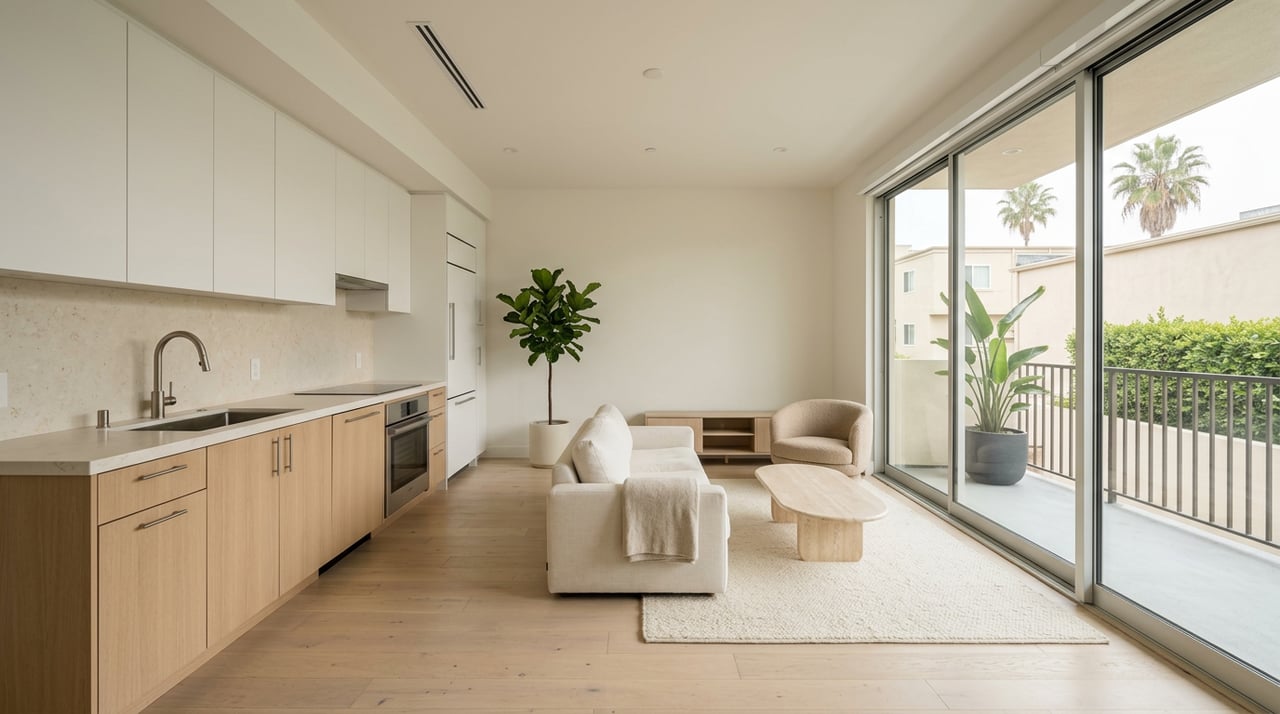
- Stage to highlight natural light, flexible spaces, and outdoor living.
- For vacant homes, consider virtual staging with clear labeling. The goal is to help buyers visualize value.
Choose a pricing strategy
There is no one-size-fits-all number. Pick a strategy that matches the current comps, your timeline, and how buyers search online.
- Market-value price: List near the expected sale price to attract buyers searching in a narrow band. Pros include fewer appraisal surprises. Cons include fewer showings if you land just outside common search filters.
- Strategic underpricing: List slightly under perceived market to drive traffic and competition. Pros include urgency and the chance to sell above list. Cons include the risk of undershooting if demand is softer than expected.
- Price-once, be firm: Set a confident price and only reduce once if needed. Pros include a clear stance. Cons include slower traction if the initial read misses the mark.
- Price-laddering: Place your price just below common psychological thresholds to sit inside more buyer filters. Confirm current filter cutoffs before finalizing.
Launch strong and read the market
The first two weeks shape buyer perception. Watch how the market responds and act with intention.
- Online engagement: Track listing views, saves, and clicks compared to similar actives.
- Showing activity: Count weekly showings. Quiet traffic in the first 10–14 days can signal a price mismatch.
- Open houses and feedback: Listen for repeated comments on price or condition from buyer agents.
- Offers: Note the number, terms, and how close offers land to your list price.
When and how to adjust
Blend the data with on-the-ground feedback before making moves.
- Early underperformance: If views and showings lag benchmarks in 7–14 days, consider a price reduction or a marketing refresh with improved presentation.
- Consistent “overpriced” feedback: Align the comments with comp activity and rising DOM before adjusting.
- Strong interest, low offers: Make a small reduction or refocus marketing on value highlights rather than cutting deeply.
- Multiple offers: Consider an offer deadline and evaluate appraisal risk and terms, not just price.
Tactical options besides price
- Offer a credit toward closing costs or a rate buydown if demand exists but affordability is tight.
- Finish key repairs, restage, or upgrade media, then relaunch for a fresh first impression.
- Host a targeted broker open or private previews in high-demand micro-areas to re-energize interest.
What to ask your agent
Use these questions to confirm you have a pricing plan, not just a number.
- Which 6–12 comps did you choose and why are they the closest matches to my home and street?
- How did you adjust for square footage, condition, views, and parking in your CMA?
- What are the expected weekly showings and DOM for homes like mine in this micro-area?
- Where will my price fall within common online search filters and payment bands?
- What is your plan if we have low traffic after 10–14 days?
- How will you handle multiple offers and appraisal risk if we price for competition?
- What disclosures should I prepare now to reduce buyer uncertainty?
- Which repairs or refreshes will give me the best ROI before listing?
Seller prep checklist
Get these items done to support your price and your timeline.
- Pull a local CMA with sold, pending, and active comps from the past 90 days where available.
- Confirm property details with county records and check permit history.
- Complete Tier 1 prep: essential repairs, deep clean, declutter, curb appeal, pro photos.
- Decide on Tier 2 refreshes if needed: paint, flooring, minor kitchen or bath updates.
- Gather disclosures: TDS, NHD, lead-based paint where applicable, and any reports.
- Choose your pricing strategy and confirm where it places you in online search filters.
- Map your launch plan: listing date, open houses, broker outreach, and media schedule.
- Set your 14-day review criteria and decision points for adjustments.
Sample scripts for price adjustments
Use calm, data-forward language if a reduction becomes the smart move.
- “In the first 12 days, we had fewer showings than similar listings and consistent feedback that buyers see better value at a lower price. Aligning with the most similar solds puts us at $X to re-enter key search bands.”
- “Buyer agents told us they are concerned about the roof and HVAC age. We can either credit for these items or adjust the list price to reflect the cost to cure. Here is the range based on recent sales with similar condition.”
- “We have strong online views but low conversions to showings. Dropping to $X places us inside the next search threshold and should increase traffic next week.”
The bottom line
Pricing your La Mesa home right is part science and part strategy. A strong CMA, micro-location insight, honest prep, and a clear launch plan help you attract the right buyers and the right offers. If you want a data-backed price range and a tailored plan for spring, reach out for a local consultation.
Ready to price with confidence? Connect with Dawn Surprenant for a custom CMA and strategic launch plan.
FAQs
What is a CMA for La Mesa homes?
- A Comparative Market Analysis compares your home to recent, nearby sales and current competition, then reconciles to a price range with adjustments for size, condition, and micro-location.
How long should I wait to adjust price after listing?
- Review traffic, showings, and feedback after 7–14 days; if engagement lags similar listings, consider a price or marketing adjustment based on data and agent guidance.
Does being near La Mesa Village or the trolley affect price?
- Proximity to walkable amenities and transit can increase demand among certain buyers; pricing should reflect the specific street, noise factors, and convenience.
Which repairs matter most before listing in La Mesa?
- Prioritize safety and systems items, then high-visibility cosmetic updates like paint, flooring, and landscaping that boost perceived value and photos.
Should I price under market to spark a bidding war?
- Strategic underpricing can create urgency in the right conditions, but it carries risk; confirm demand indicators and competition with your agent before choosing this path.
What signs show my list price is too high?
- Low showings in the first two weeks, few saves online compared to peers, and consistent buyer feedback that better value exists nearby are common signals to recalibrate.