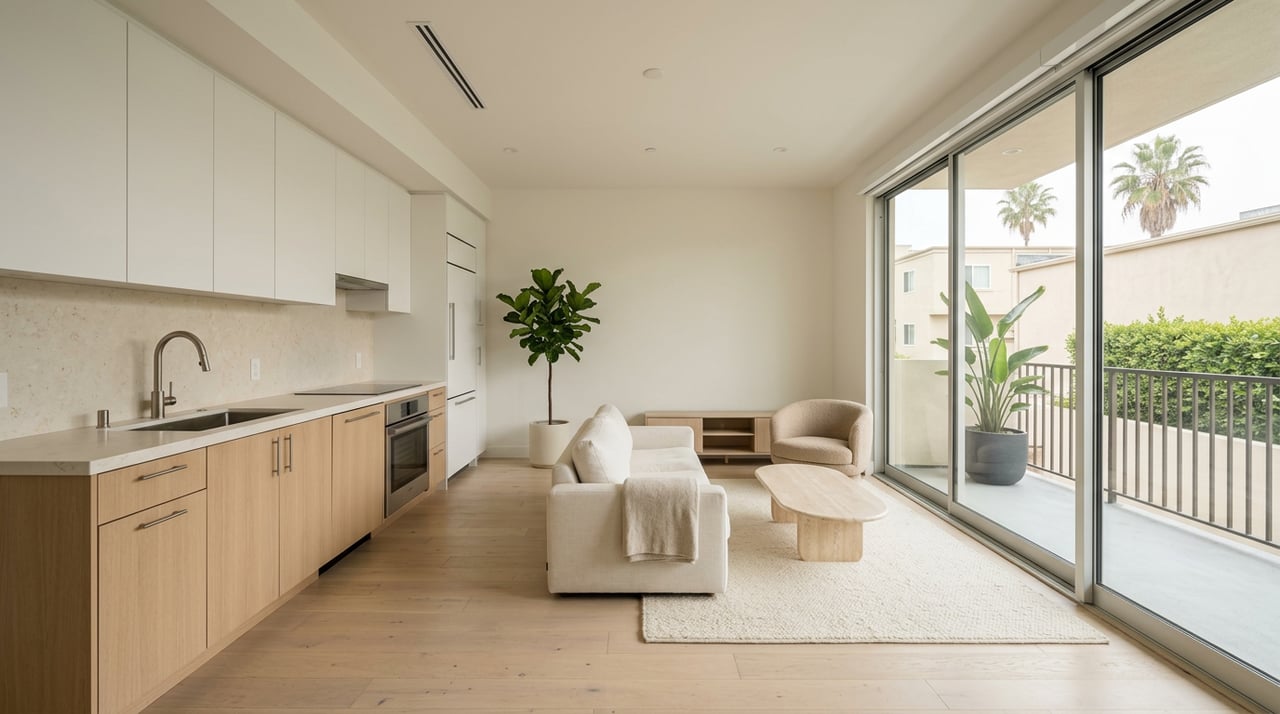
La Jolla vs UTC Condos: Comparing Lifestyle and Costs
March 5, 2026
March 5, 2026
Trying to choose between a La Jolla condo and a UTC condo? You are not alone. Both offer strong San Diego lifestyles, but the tradeoffs on price, walkability, transit, and monthly costs are real. In this guide, you will compare value, daily life, HOA factors, rental rules, and which buyer profiles tend to prefer each area. Let’s dive in.
If price is your first filter, here is the quick view. As of early 2026, La Jolla condos often list and sell well above UTC. Neighborhood market pages show La Jolla condos commonly around the low seven figures, with a recent median near 1.15 million. UTC’s University City area trends lower, with recent medians in the mid-800s. Your exact price will still depend on the building, size, and condition.
Price per square foot tells a similar story. La Jolla ranges widely from the mid-500s to the 900s per square foot for many non-oceanfront homes, with renovated or ocean-view properties often over 1,000 per square foot. UTC tends to sit lower, often in the 400 to 900 per square foot band. View, renovation level, and amenity packages drive big differences, so always compare comps by building and sub-neighborhood.
Supply also differs. La Jolla’s coastal overlay and permitting environment constrain large new projects in many Village and shoreline pockets. Coastal projects often need specialized approvals, which slows new supply and preserves scarcity. You can see an example of a Coastal Development Permit record in local filings on the state’s CEQA database at the CEQAnet portal.
UTC has seen steady redevelopment, especially around Westfield UTC and the trolley stops. Ongoing mixed-use growth and higher-density infill add new residences and retail choices near the mall. For context on the mall’s evolution, review the Westfield UTC expansion overview.
Appreciation drivers vary by area. In La Jolla, coastal scarcity, resort-like amenities, and strong second-home demand traditionally support long-term value, though luxury segments can move more with interest rates and discretionary demand. In UTC, proximity to UCSD and nearby employment hubs in Sorrento Valley and Torrey Pines supports steady demand and liquidity. Commercial research often cites these clusters and redevelopment momentum as ongoing drivers for the area’s resilience; see background on local market dynamics in CoStar’s coverage.
La Jolla Village is one of San Diego’s most walkable coastal cores. Many buyers choose it for the “walk-to-beach plus cafes and galleries” lifestyle. The Village posts a high Walk Score, which aligns with what you feel on the ground: a compact, pedestrian-friendly scene with dining, shopping, and coastline access. Explore the Village’s pedestrian profile on Walk Score.
UTC delivers a different cadence. Near Westfield UTC and along major corridors, you can run many errands on foot, but the neighborhood is more mixed and suburban. University City’s Walk Score sits lower than La Jolla’s coastal core, so daily life can be more car-forward away from the mall and trolley stations. See University City’s overall metrics on Walk Score.
For weekend fun, La Jolla leans coastal and cultural. You have La Jolla Cove and La Jolla Shores, oceanfront parks, and institutions like the La Jolla Playhouse and MCASD, plus a high-end dining and gallery scene. Get a feel for the area’s highlights with this La Jolla guide. UTC, by contrast, centers on a modern retail hub with cinemas, fitness, and grocery anchors, and an expanding set of restaurants next to new residential buildings.
Transit access is a key UTC advantage for many professionals and students. The Mid-Coast Trolley Blue Line extension serves UCSD and the UTC Transit Center, making a car-light commute to downtown or transfers to other lines far more practical than before. Read about the extension’s scope on SANDAG’s Mid-Coast Trolley project page.
La Jolla relies more on buses and driving for many trips. If you work in Sorrento Valley, Miramar, UCSD, or downtown, compare your likely start and end points against UTC and La Jolla at typical AM and PM times. UTC often shortens the drive to job centers around Sorrento and Torrey Pines, while La Jolla puts you close to the beaches and coastal institutions.
Expect a wide range of HOA structures in both areas. In La Jolla, you will find everything from small associations with limited amenities to full-service coastal towers with staff and premium facilities. Fees typically sit in the mid-hundreds to high-hundreds per month, with luxury towers above that. Your fee will track the level of amenities, insurance structure, and reserve funding.
UTC offers many garden-style and mid-rise communities with more modest amenity sets, plus newer towers next to the mall with robust facilities and corresponding budgets. You can find some communities with relatively low monthly dues and others that price in concierge-level services. Always review the association’s budget, reserves, insurance, and recent meeting minutes before you finalize an offer.
Coastal insurance needs can change your true monthly cost. In La Jolla, salt air, flood exposure near the coast, and earthquake risk make it vital to understand what the HOA’s master policy covers and what you must insure with your HO-6 policy. For a plain-English explainer of master policies and HO-6 coverage, see this overview of HOA master insurance.
San Diego’s Short-Term Residential Occupancy (STRO) rules set licensing tiers and caps for whole-home rentals that are not primary residences. If you plan to generate short-term income or want maximum leasing flexibility, confirm two things early: the city’s STRO rules and the HOA’s own rental provisions. You can review license types, caps, and host requirements on the City’s STRO program page.
Many condo HOAs restrict short-term rentals regardless of city licensing. Clarify lease minimums, waitlists, or caps in the CC&Rs and house rules before you rely on future rental income to pencil your purchase.
La Jolla advantages:
UTC advantages:
A simple plan helps you get clarity fast.
Choosing between La Jolla and UTC often comes down to your daily rhythm. If you want surf checks and gallery strolls, La Jolla’s coastal core is hard to beat. If you want a lower entry price, modern amenities, and a fast commute by trolley or car, UTC delivers strong value.
If you want a second set of eyes on buildings, HOAs, and comps that fit your budget and lifestyle, reach out. I am happy to guide you through on-the-ground tours and a clear cost breakdown so you can move forward with confidence. Connect with Dawn Surprenant to start your condo search.
Stay up to date on the latest real estate trends.

Making Real Estate Easy