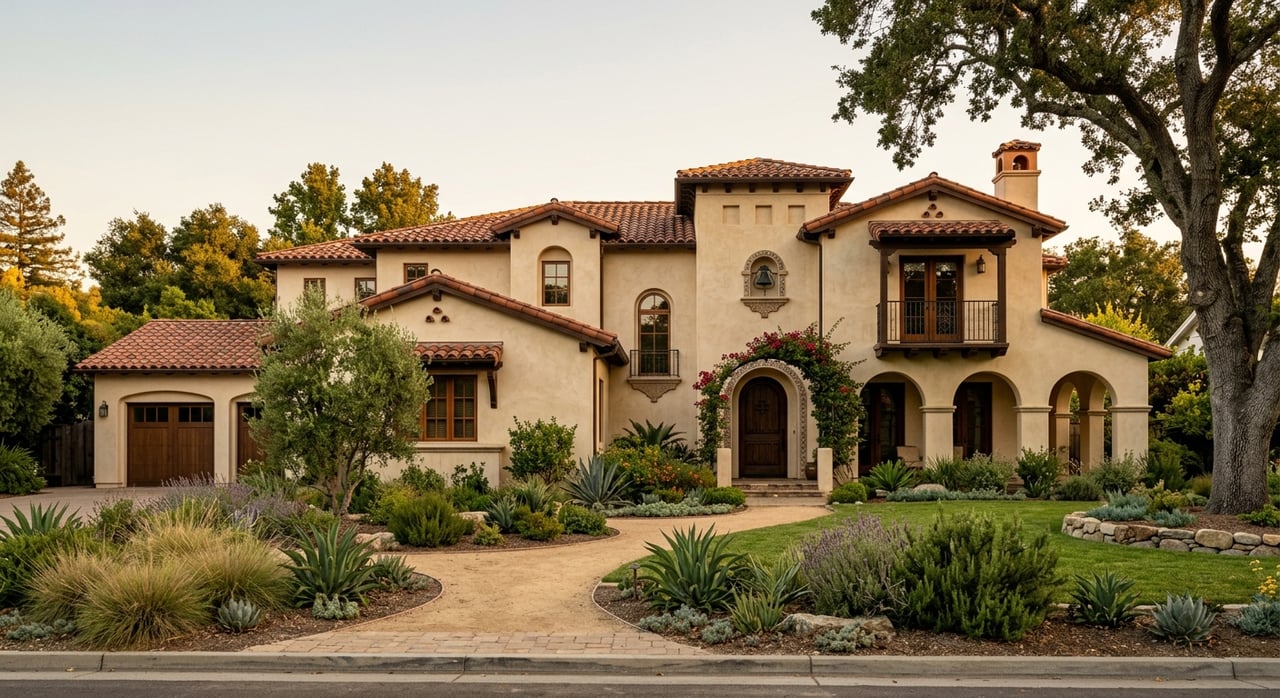
Your Guide to Relocating to San Diego: Coastal vs Inland
April 2, 2026
April 2, 2026
Moving to San Diego sounds simple until you realize one decision can shape your daily life more than any other: do you want to live near the coast or farther inland? Both offer great access to the San Diego lifestyle, but they feel very different in terms of weather, housing, price, and commute. If you are relocating and trying to figure out where you will feel most at home, this guide will help you compare the tradeoffs clearly. Let’s dive in.
If you want the simplest way to think about it, coastal San Diego usually means paying more for ocean proximity, milder weather, and a location-driven lifestyle. Inland San Diego usually means getting more space, more conventional suburban housing, and a more approachable price point.
That contrast shows up clearly when you compare communities like Del Mar and La Jolla on the coast with Rancho Bernardo, Scripps Ranch, and Poway inland. Coastal areas are more built out and shaped by beaches, bluffs, hillsides, and coastal land-use rules, while inland communities tend to offer a broader range of housing types and lot sizes. According to the City of San Diego’s La Jolla community planning information, La Jolla is a primarily residential community defined by bluffs, beaches, canyons, and hillsides.
Coastal living is often about being close to the ocean, enjoying scenic surroundings, and living in neighborhoods that are largely established and built out. In places like Del Mar and La Jolla, the setting itself is a major part of the appeal.
You may also notice a more compact feel in some coastal neighborhoods. Because these areas are mature and land constrained, buyers are often choosing location first and square footage second.
One of the biggest perks of coastal San Diego is the climate. The Pacific Ocean helps keep temperatures more moderate, with cooler summers and warmer winters than inland areas.
According to NOAA’s San Diego climate overview, a few miles inland the temperature range can widen by 30 degrees or more, while coastal areas often see low clouds and morning fog. If you value more temperate weather year-round, that can be a major advantage.
The coastal premium is real. As of late February 2026, Zillow reports typical home values of about $3.60 million in Del Mar and about $2.37 million in La Jolla, compared with about $989,768 for the city of San Diego overall.
That does not just reflect prestige. It also reflects limited supply, established neighborhoods, and the fact that many coastal communities have little room for large-scale expansion.
Living near the coast can also mean more rules that affect property use, design, and future changes. Del Mar notes that the city is entirely within the Coastal Zone, and local planning documents highlight issues like scenic views, bluffs, narrow roads, and emergency access as factors that shape development.
California’s San Diego regional climate adaptation guidance also says sea level along the San Diego County coast is expected to rise about 1.6 to 3.2 feet by 2100. If you are buying in a coastal location, it is smart to understand not just the home, but also the permitting context and long-term site considerations.
Inland San Diego often appeals to buyers who want more room to spread out. Communities like Rancho Bernardo, Scripps Ranch, and Poway tend to feel more suburban, with a stronger emphasis on single-family homes, neighborhood parks, and wider housing choices.
This can be especially helpful if you are balancing budget, space, and day-to-day function. You may find more options that offer larger homes, more yard space, or a more traditional neighborhood layout.
Inland weather usually brings warmer summer days and cooler winter mornings than the coast. That difference can be noticeable even within the same county.
For example, Poway’s city profile reports an average August high of 82°F, a December average low of 43°F, and about 14 inches of annual rainfall. That aligns with the broader NOAA pattern showing wider temperature swings as you move inland.
For many relocators, inland San Diego offers the better value equation. Using the same late-February 2026 Zillow figures, typical home values were about $1.39 million in Scripps Ranch, $1.21 million in Poway, and $975,269 in Rancho Bernardo.
Those numbers are still significant, but they are far below Del Mar and La Jolla. In practical terms, inland buyers are often able to prioritize space and functionality without paying the full coastal premium.
Housing character is another major difference. Poway says it offers a broad continuum of housing from multifamily apartments to single-family homes on large rural parcels, with 80% of housing units classified as single-family. Rancho Bernardo is described by the city as a master-planned community centered on Interstate 15, while Scripps Ranch is known for landscaped neighborhoods and scenic parks.
That variety can give you more flexibility if your needs include a home office, extra bedrooms, a larger lot, or a more suburban street pattern. Inland neighborhoods often provide a wider range of entry points depending on the type of home you want.
Coastal San Diego may make more sense for you if your top priorities include:
In short, you are often paying for place first. The home matters, of course, but the setting is a large part of the value.
Inland San Diego may be the stronger choice if you want:
For many relocation buyers, this route offers a more practical balance between lifestyle and affordability.
If schools are part of your move, it is important to verify boundaries by exact address. In San Diego, neighborhood names and school district lines do not always match the way buyers expect.
For example, the Del Mar Union School District boundary tools include a locator and option-area system for elementary boundaries, while San Diego Unified says attendance boundaries are reviewed annually and can change. La Jolla is part of San Diego Unified’s La Jolla cluster, Poway and Rancho Bernardo are served by Poway Unified, and Scripps Ranch High School is part of San Diego Unified.
The key takeaway is simple: always confirm school assignment using the exact property address before making a decision.
Commute patterns can also influence whether coastal or inland living feels easier for you. In San Diego, commuting is still largely car-based.
According to SANDAG’s transit survey, the average home-to-work-or-school trip is 14 miles and 27 minutes, and more than 80% of workers commute in a personal vehicle. Rancho Bernardo is centered on Interstate 15, Poway sits three miles east of Interstate 15 and west of Highway 67, and the Rancho Bernardo community plan notes Route 20 express service to downtown San Diego.
That said, access is not uniform everywhere. For example, the Scripps Ranch Recreation Center page notes that the facility is not accessible by bus via SDMTS, which is a useful reminder to check transportation options based on your actual routine.
If you are still unsure, focus on the parts of daily life that matter most to you. Ask yourself where you want your budget to work hardest.
A helpful checklist includes:
For many buyers, the answer becomes clearer once they compare a few actual neighborhoods side by side. Del Mar and La Jolla can deliver a distinct coastal experience, while Poway, Scripps Ranch, and Rancho Bernardo often offer stronger value if space and flexibility lead your list.
Relocating to San Diego is not really about choosing the "best" area. It is about choosing the version of San Diego that fits the way you want to live. Coastal communities tend to offer ocean access, moderated weather, and a premium lifestyle, while inland communities often offer more space, more conventional housing options, and a more manageable budget.
If you want help comparing neighborhoods, narrowing your search, or understanding how these tradeoffs look in real listings, connect with Dawn Surprenant. With deep local knowledge across both coastal and inland San Diego, she can help you find the right fit for your move.
Stay up to date on the latest real estate trends.
Making Real Estate Easy