Mission Hills Walkability, Dining, And Neighborhood Vibe
March 24, 2026
March 24, 2026
Craving a neighborhood where you can grab coffee, stroll to dinner, and still be minutes from San Diego’s biggest attractions? Mission Hills gives you that blend of everyday ease and historic charm. If you want a central address with pocket parks, thoughtful design, and a relaxed dining scene, you’ll feel right at home here. In this guide, you’ll learn how walkable Mission Hills is, where to eat and shop, and what the neighborhood vibe feels like day to day. Let’s dive in.
Mission Hills rests on a mesa above Old Town with views toward San Diego Bay and the city. Locals often refer to North and South Mission Hills, with Washington Street as a common dividing line, and the area’s early 20th-century planning and architecture shape much of its character. The City’s Uptown historic context highlights how streets follow the hills rather than a strict grid, creating curved, leafy blocks and prominent ridge views that many residents love (City of San Diego Uptown Historic Context).
Walkability is a real draw. Walk Score puts Mission Hills around 70, which is considered very walkable for most daily errands in its commercial nodes (Mission Hills on Walk Score). The terrain matters though. Sidewalks and short blocks make the business corridors pleasant, but some residential streets are on hills or stair streets, so your experience will vary by exact location.
You’ll find three compact clusters that make quick errands easy: the Washington and Goldfinch intersection, the West Lewis Street shopping strip, and a smaller node around Fort Stockton and Allen Road. These hubs concentrate cafés, mid-scale restaurants, bakeries, and services close enough that you can knock out multiple stops in one walk (City of San Diego Uptown Historic Context). On a typical day, you might grab a latte, pick up pastries, then swing by a small market before heading to a nearby park.
Start your morning at neighborhood roaster Heartwork Coffee for a simple, friendly caffeine stop that anchors weekday routines (Heartwork Coffee feature). From there, wander Goldfinch for a pastry or brunch at Cardellino, a modern Italian spot with a bakery component that locals mention for brunch and sweets (Cardellino coverage). If you’re planning a date night, Fort Oak on Fort Stockton brings a polished, wood-fired menu and a lively dining room that has earned strong press within San Diego’s dining scene (Fort Oak review).
Mission Hills supports small specialty grocers, wine shops, and boutiques, with larger specialty options a short drive away. To see what’s open right now or to discover a new staple, check the Mission Hills Business Improvement District directory for up-to-date listings (MHBID business directory). Many residents walk for quick items and drive for bulk shopping.
Dining here is smaller in footprint than some Uptown neighbors, but it punches above its weight. You’ll find easygoing cafés, bakeries, and neighborhood bars alongside chef-driven dining that attracts repeat local traffic. Curated guides regularly highlight Mission Hills as a compact foodie pocket worth exploring, especially along Goldfinch, Washington, and Fort Stockton (Mission Hills dining highlights).
Mission Hills is rich in green pockets that make quick breathers part of your day. On the western edge, Presidio Park and the Junípero Serra Museum link the neighborhood to early San Diego history with lawns, viewpoints, and picnic spots detailed in the City’s Uptown history resources. Closer to the residential core, Pioneer Park functions as a central neighborhood green for picnics, casual play, and summer concerts, all while reflecting the site’s layered past as the former Calvary Cemetery (Pioneer Park background). For a short dose of nature without leaving town, small canyons like Allen Canyon offer informal trails and a quick escape into native plants and birdsong (Allen Canyon trail context).
Transit options exist and are useful for certain trips. You’re close to the Old Town area and its intermodal hub, which connects to trolley lines, the COASTER, and buses. For route updates and planning, visit SDMTS before you go (SDMTS info). Many residents still drive for larger errands or longer commutes, but central positioning makes quick trips to downtown, the airport, and Balboa Park part of the appeal.
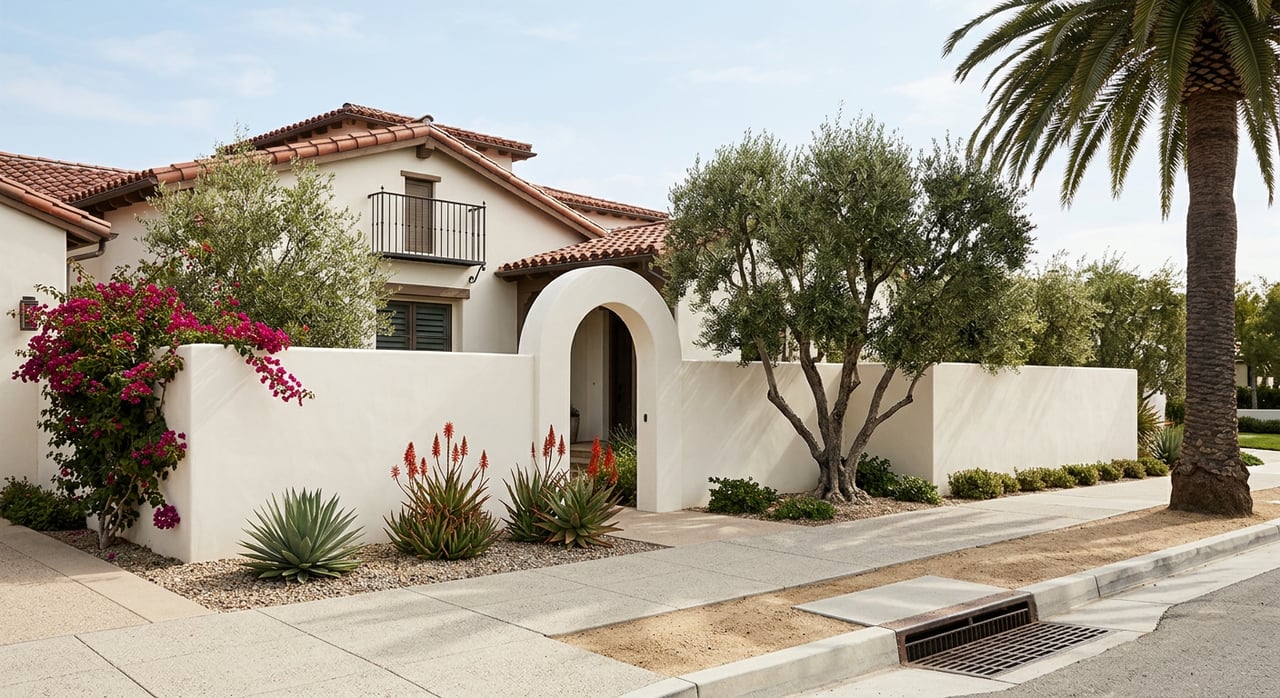
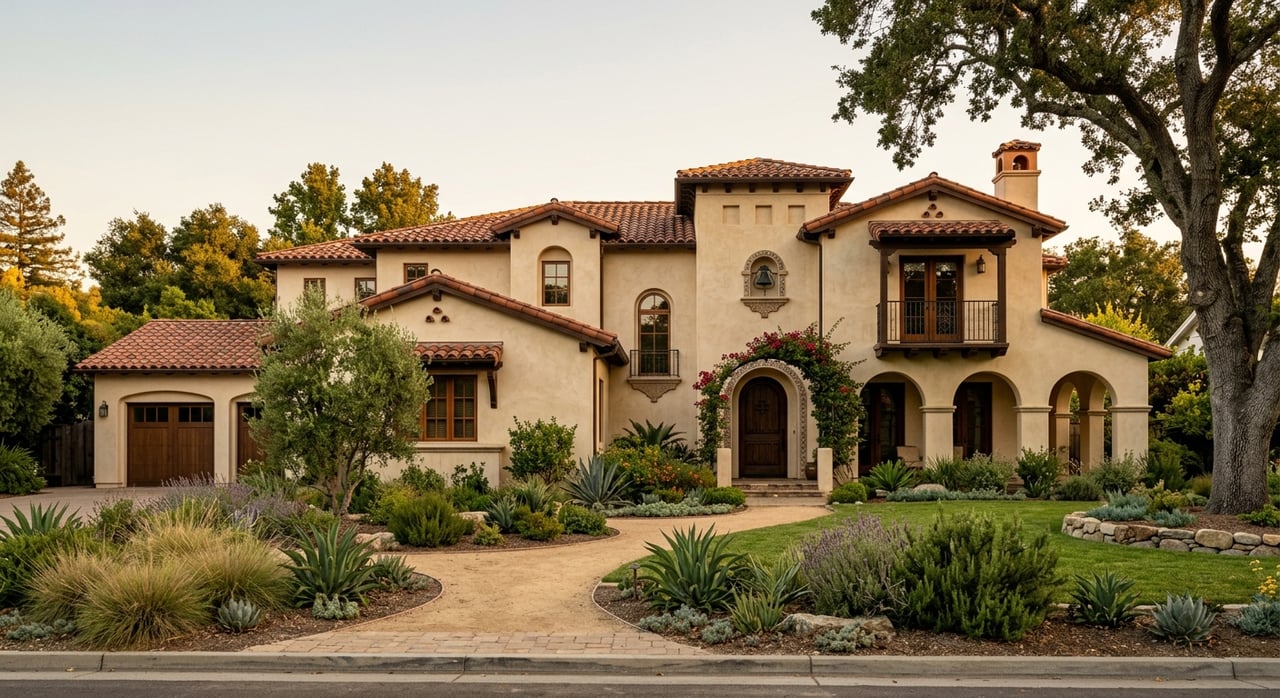
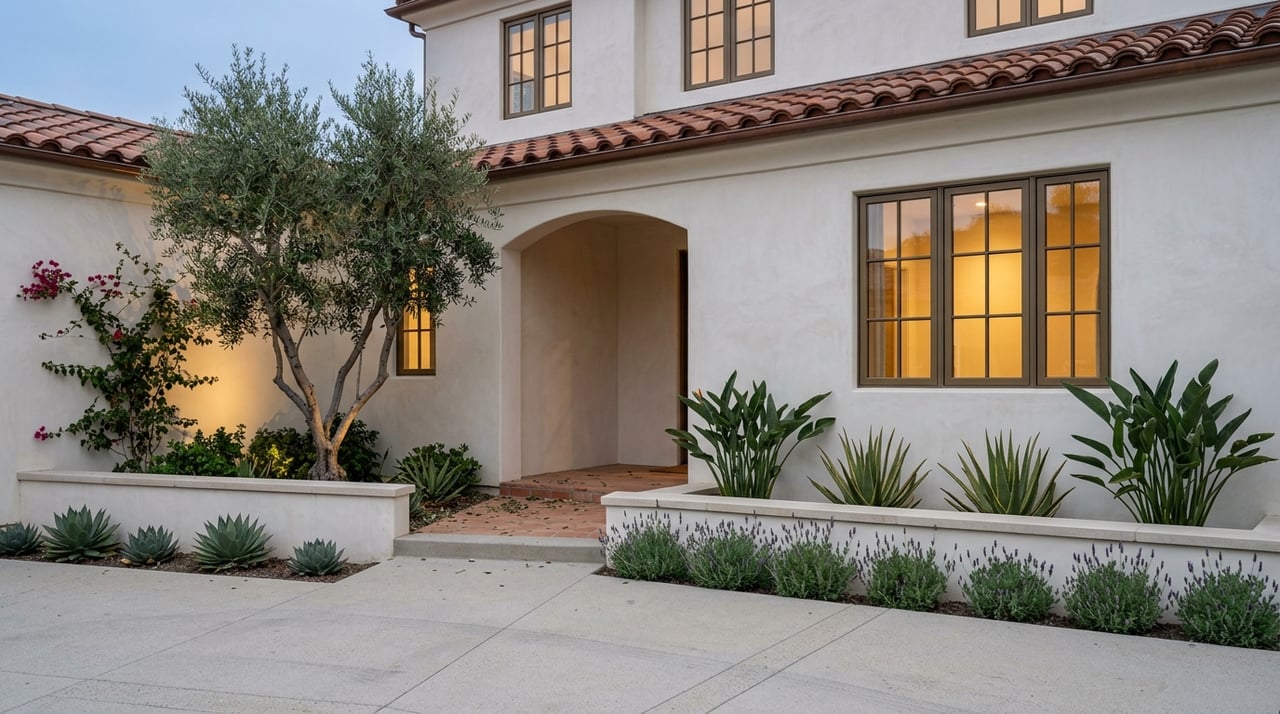
If you appreciate early 20th-century homes, Mission Hills stands out. The area features well-preserved Craftsman bungalows, Spanish Colonial Revival, and Prairie-influenced styles that reflect its planned, topography-aware growth in the early Uptown era (City of San Diego Uptown Historic Context). You’ll notice tree-lined streets, period details, and a thoughtful street layout that follows the hills. It adds up to a residential setting that’s calm and polished, with a social spine along the commercial corridors.
Mission Hills has an active civic life shaped by engaged resident groups and seasonal traditions. The Mission Hills Garden Club hosts an annual Garden Walk each spring that draws strong neighborhood participation and showcases creative landscaping and curb appeal ideas (Garden Walk details). Summer often brings relaxed evening concerts at Pioneer Park and small retail promotions through the business district. If you like a neighborhood that values preservation, gardens, and friendly block-to-block connections, you’ll find it here.
Choose Mission Hills if you want a central San Diego base where you can walk to coffee, enjoy a tight cluster of restaurants, and relax in pocket parks without getting in the car. Expect hilly terrain on some side streets and a lifestyle that mixes quiet residential blocks with a lively, compact commercial core. For many buyers, that balance of convenience, character, and location is the sweet spot.
Ready to explore Mission Hills homes or get local guidance on nearby neighborhoods? Reach out to Dawn Surprenant for on-the-ground insight, design-savvy advice, and a clear plan for your purchase or sale.
Stay up to date on the latest real estate trends.
Making Real Estate Easy