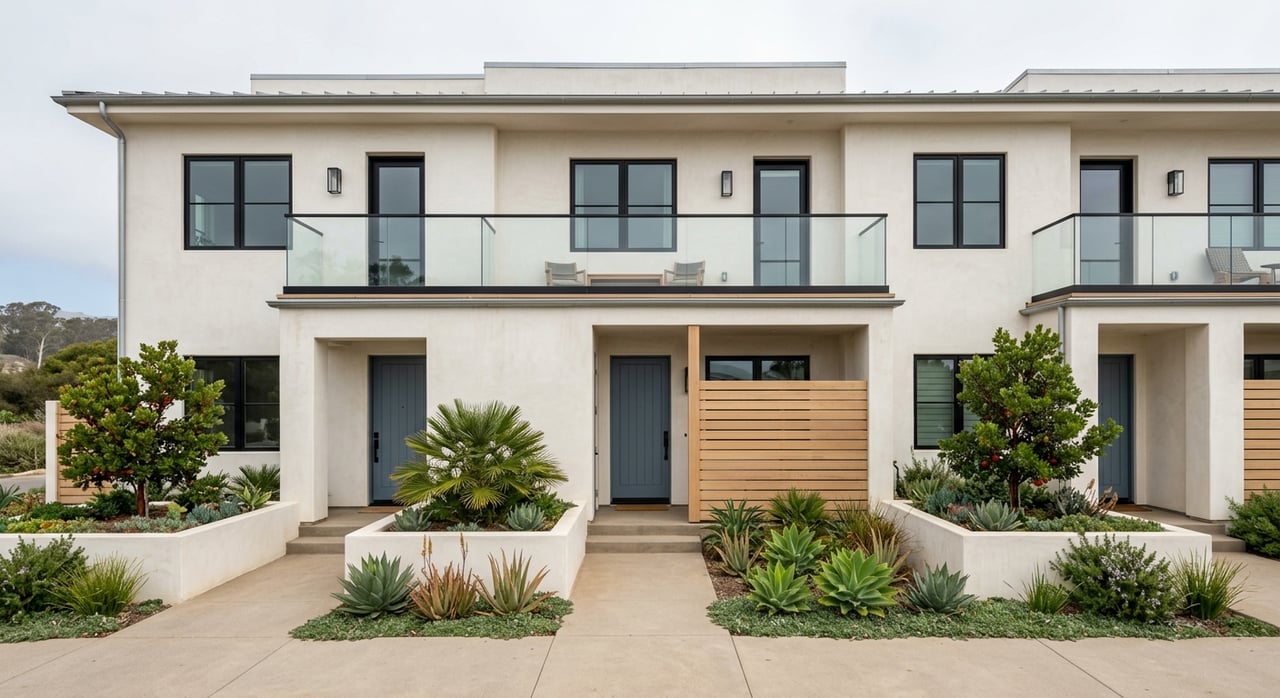
La Jolla vs University City Near UCSD: Which Fits You?
May 14, 2026
May 14, 2026
Choosing a home near UC San Diego can feel like a tug-of-war between convenience and coastline. You may want an easier commute, more housing options, or that unmistakable La Jolla lifestyle, and each path leads to a very different day-to-day experience. If you are deciding between La Jolla and University City, this guide will help you compare housing, transit, lifestyle, and budget so you can focus on the fit that matters most to you. Let’s dive in.
Living near UCSD does not mean every nearby neighborhood works the same way. La Jolla and University City sit close to campus, but they were shaped by very different planning patterns and that affects everything from home prices to errands.
La Jolla is a primarily residential coastal community with ocean bluffs, beaches, canyons, and Mount Soledad. According to the City of San Diego, it is about 99 percent built out, so most change happens through infill development rather than major new subdivisions. That built-out coastal setting helps explain why inventory can feel limited and why pricing often carries a premium.
University City has a more mixed-use structure. The City of San Diego describes it as home to UCSD, Westfield UTC, and a concentration of high-tech, biotech, clean-tech, and research activity. North University City includes more apartments, condos, and townhomes, while South University City is mainly single-family homes.
If your top priority is staying close to work, daily errands, and transit, University City often stands out first. Its planning framework supports a more connected, practical routine for households tied to UCSD or the nearby life-science job base.
The updated University Community Plan emphasizes transit-oriented mixed-use villages, community-serving retail, more housing, and continued employment growth. In real life, that can translate to easier grocery runs, shorter errand loops, and more opportunities to live near where you work.
University City also tends to support more car-light living. Redfin rates the neighborhood as moderately walkable with a Walk Score of 54, compared with La Jolla’s Walk Score of 29. That does not mean every part of University City is highly walkable, but it does suggest a more flexible daily pattern for many buyers.
Transit is one of the clearest differences between these two areas. The San Diego MTS Blue Line connects downtown, East County, UC San Diego, South Bay, and the border region, with stops that include UTC Transit Center, Executive Drive, UC San Diego Health La Jolla, UC San Diego Central Campus, VA Medical Center, and Nobel Drive.
UC San Diego also lists several bus routes serving the La Jolla campus, including 30, 41, 101, 201/202, 237, 974, 978, and 979, along with campus shuttles. For buyers who want a commute with more transit options built into their week, University City generally offers the stronger setup.
La Jolla offers a very different type of appeal. If you picture your lifestyle around ocean access, established residential streets, and a more classic coastal identity, La Jolla is often the neighborhood that captures that vision.
The City of San Diego describes La Jolla as a coastal community centered around residential character, beaches, bluffs, and The Village area near Prospect Street, Girard Avenue, and Torrey Pines Road. For many buyers, that setting brings a strong sense of place that goes beyond square footage or commute time.
La Jolla is also the more premium side of UCSD-area living. Even when condos and smaller homes are available, the location itself often commands a significant price difference. That premium reflects the coastal setting, limited room for growth, and long-term demand tied to lifestyle and location.
Daily life in La Jolla often feels more residential and destination-driven than convenience-centered. You may enjoy being close to the Village, beaches, and scenic coastline, but many routines still work best by car unless you are in one of the more walkable pockets.
That tradeoff matters. If your ideal day includes ocean views, coastal streets, and a more established neighborhood feel, La Jolla may deliver the right experience. If your ideal day is built around efficient errands and easier transit access, you may notice the difference quickly.
Your budget will likely be one of the biggest deciding factors between these two neighborhoods. Both La Jolla and University City offer condos, townhomes, and detached homes, but the price bands are very different.
In University City, recent market snapshots showed 46 condos for sale at a median listing price of $614,000 and 12 townhouses for sale at a median listing price of $895,000. The closed-sale median for all home types was $806,500 in March 2026. Detached homes in current listing examples were roughly in the $1.3 million to $1.9 million range.
In La Jolla, recent market snapshots showed 47 condos for sale at a median listing price of $1.4 million and 14 townhouses for sale at a median listing price of $1.32 million. The closed-sale median for all home types was $2,406,500 in March 2026. Current listing examples ranged from a one-bedroom condo under $600,000 to ocean-adjacent luxury condos in the multi-million-dollar range, with detached homes roughly starting around $2.8 million and rising well above $10 million.
University City tends to offer a broader entry point for buyers who want to stay near UCSD without stepping immediately into coastal pricing. That can be especially helpful for relocation buyers, first-time buyers, and move-up buyers who want condo or townhome options close to campus.
La Jolla, on the other hand, is usually the premium choice. Buyers often pay more for the coastal address, the established feel, and the long-term lifestyle appeal that comes with living in one of San Diego’s most recognized seaside communities.
The better choice depends less on which neighborhood is “best” and more on how you want to live. When you compare La Jolla and University City through the lens of commute, home type, and day-to-day rhythm, the path often becomes clearer.
If you want a neighborhood that supports work access, errands, transit, and a wider range of price points, University City often checks more boxes. If you want a neighborhood that feels more coastal, more established, and more lifestyle-driven, La Jolla may be worth the higher price of entry.
Here is a simple side-by-side view:
| Priority | University City | La Jolla |
|---|---|---|
| Commute to UCSD | Strong transit access and campus connectivity | Close to campus, but often more car-dependent |
| Walkability | Moderately walkable | Minimally walkable overall |
| Housing variety | More condos, townhomes, and mixed housing types | Condos and townhomes available, but at higher price points |
| Budget flexibility | More accessible overall | Premium coastal pricing |
| Lifestyle feel | Mixed-use, practical, connected | Coastal, scenic, established |
One of the best ways to choose between La Jolla and University City is to think beyond the home itself. Consider how often you need to get to campus, whether you want trolley or bus access, how much value you place on coastal surroundings, and what kind of housing options fit your budget today.
It also helps to think long term. A condo in University City may offer the convenience and flexibility you need now, while a home in La Jolla may better match a future lifestyle goal if your budget and priorities evolve. Neither route is one-size-fits-all, and that is exactly why neighborhood-specific guidance matters.
If you are weighing homes near UCSD, a local strategy can save you time and help you compare choices with more confidence. Dawn Surprenant offers thoughtful, hands-on guidance for San Diego buyers who want clear neighborhood insight, practical market context, and a smoother path to the right fit.
Stay up to date on the latest real estate trends.



Making Real Estate Easy