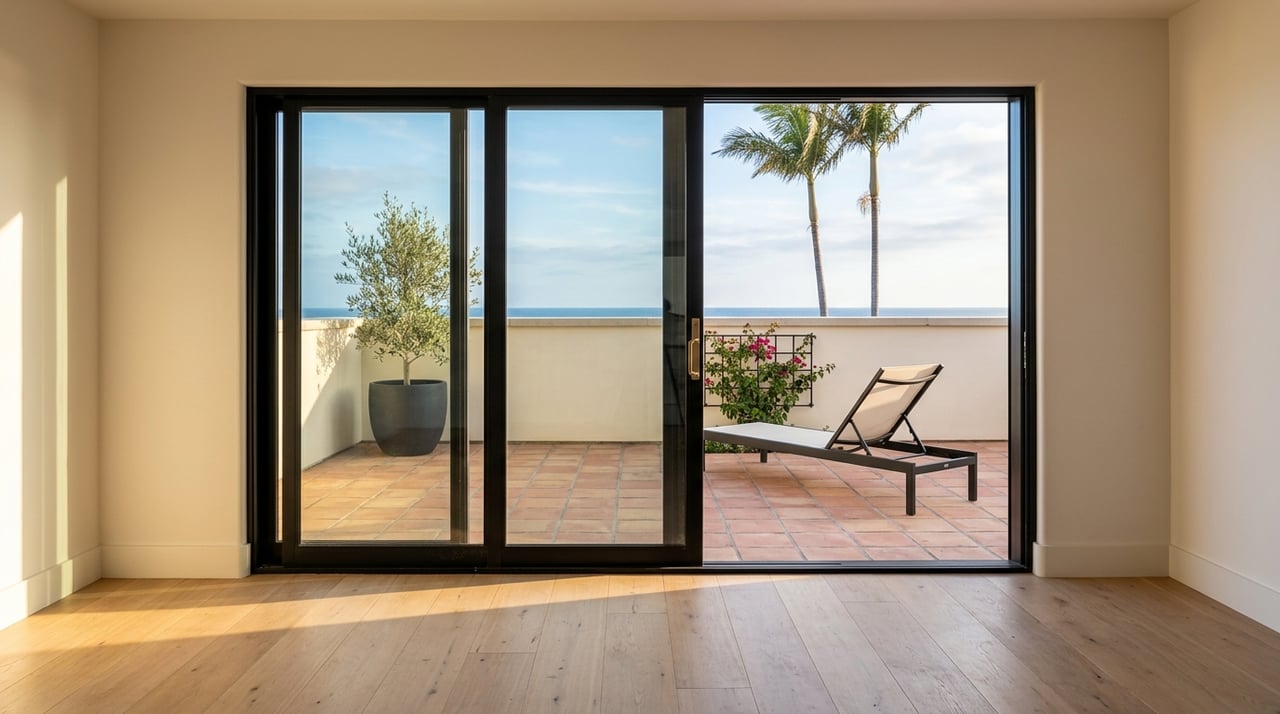
Coronado Second Home Buying: What to Know First
May 21, 2026
May 21, 2026
Dreaming about a place by the water where you can slow down, unplug, and still stay connected to San Diego? If Coronado has been on your radar, you are not alone. For many second-home buyers, it checks the right boxes with beach access, a walkable downtown, and a polished coastal lifestyle. This guide will help you understand what buying a second home or retreat in Coronado really looks like, from pricing and neighborhood tradeoffs to ownership costs and rental rules. Let’s dive in.
Coronado is a small seaside city bordered by the Pacific Ocean and San Diego Bay, with access from the Silver Strand and the Coronado Bridge. The city describes itself as a vibrant coastal community with 18 public parks, dedicated bike and walking paths, and its own police, fire, and marine safety services.
That setting shapes the buying experience in a big way. With limited land, strong lifestyle appeal, and roughly two million visitors a year, Coronado tends to behave more like a luxury coastal market than a typical suburban one. For you, that means inventory, pricing, and long-term ownership costs all deserve close attention.
Another key factor is the coastal zone. Coronado’s Local Coastal Program notes that the entire city sits within the coastal zone, which is why flood resilience and shoreline conditions matter in nearly every purchase.
If you are considering a second home in Coronado, it helps to start with realistic price expectations. Recent market data places the overall market in the low-to-mid $2 million range, depending on the source and methodology.
Redfin reported a March 2026 median sale price of $2,189,500. Zillow reported a median sale price of $2,259,500 and a typical home value of $2,581,543 as of April 30, 2026. Zillow also showed 111 homes for sale and a median list price of $3,164,997, reinforcing Coronado’s premium coastal positioning.
Property type makes a major difference in your budget. Redfin reports median sale prices of $3,440,000 for single-family homes, $1,701,000 for condo and co-op homes, and $1,885,000 for townhouses.
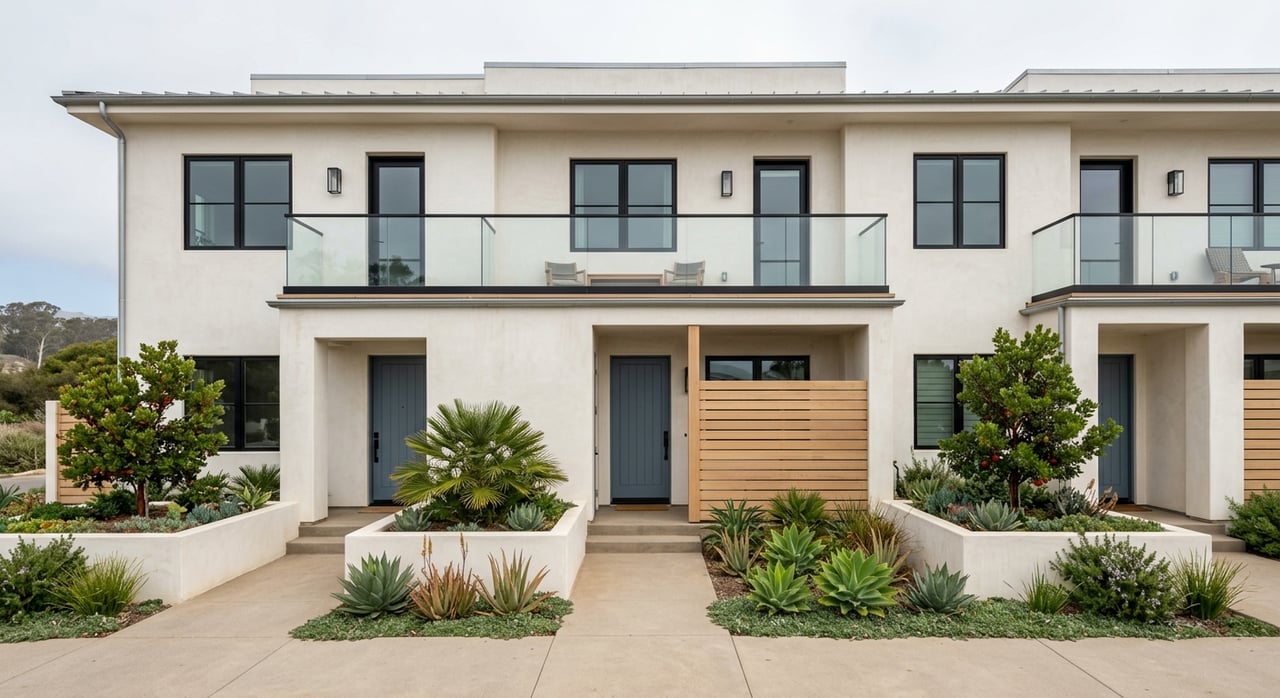
For many buyers, that gap becomes the first major decision point. A detached home may offer more privacy and control, while a condo or townhouse can offer a more manageable lock-and-leave setup with a lower entry point than a single-family property.
In Coronado, condos are not just an entry-level option. They are a major part of the market and often appeal directly to second-home buyers who want convenience and lower day-to-day upkeep.
Redfin shows 62 condos for sale with a median listing price of $2.61 million. That tells you something important about Coronado: even lower-maintenance options can still sit firmly in the luxury category.
If your goal is part-time use, easy travel, and less hands-on maintenance, a condo may fit your lifestyle well. You will still want to weigh HOA costs, building rules, and how the property aligns with your plans for personal use and any allowed rental use.
If walkability is high on your list, The Village and Orange Avenue corridor may be the most natural fit. The city’s Orange Avenue Corridor Specific Plan is designed to support downtown activity while maintaining village character, and it includes land intended for higher-density multi-family residential use.
For a second-home buyer, this area often offers the easiest lock-and-leave lifestyle. You may find it easier to enjoy restaurants, shops, and day-to-day conveniences without relying heavily on a car.
Coronado also supports car-light seasonal living with a city-subsidized commuter ferry between Coronado Ferry Landing and Broadway Pier, a free summer shuttle, and bike and walking routes. If you plan to use your retreat regularly but not full-time, those features can add meaningful convenience.
This area may be a strong fit if you want:
If your idea of a retreat includes boating, bay access, and a more marina-oriented atmosphere, the Coronado Cays may stand out. This planned residential community sits on the Silver Strand and is surrounded by bay and state beach access.
The city’s planning documents allow for multiple housing types there, including multi-family, townhouse, and detached single-family homes. The area is also largely built out, which limits new development and helps preserve its established feel.
The Cays come with a different set of tradeoffs. They are farther from the village core, and the lower-lying coastal setting makes flood mapping, insurance, and sea-level-rise planning especially important.
This area may appeal to you if you want:
If your priority is direct beach access and the classic Coronado coastal experience, South Island often commands the strongest attention. This is the part of the city most associated with ocean proximity and beach-focused living.
That appeal usually comes at a premium. Redfin reported a March 2026 median sale price of $2,970,000 in Coronado Beach South Island, with homes averaging 25 days on market.
For many buyers, this area offers the least compromise on lifestyle and often the least compromise on price. If you want to step out and feel immediately connected to the beach and downtown atmosphere, this may be where your search starts.
A second-home budget in Coronado should go beyond your down payment and monthly mortgage. Ownership costs can vary meaningfully based on location, property type, and whether the home sits in a planned or low-lying coastal area.
San Diego County says secured property taxes are limited by Proposition 13 to 1 percent of assessed value, plus voter-approved bonds and assessments. These taxes are billed in two installments, due November 1 and February 1.
That is just the starting point. You should also account for insurance, maintenance, utilities, and any HOA dues if you buy a condo or townhouse.
HOA dues are an important part of the second-home equation in Coronado, especially in condo and townhouse ownership. In practical terms, those fees can support a more lock-and-leave experience with less direct maintenance responsibility.
A single-family home often gives you more control, but it can also mean more hands-on upkeep. For some buyers, the convenience of shared maintenance is worth the added monthly cost.
Because the entire city is within the coastal zone, flood and resilience planning should be part of your due diligence. This is especially true if you are looking in lower-lying areas or anywhere close to shoreline conditions that may affect insurance or long-term planning.
Coronado is actively planning for sea-level rise, and the city’s FEMA flood-map guidance notes that some property owners may still be required to carry flood insurance. If you are financing your purchase, lender requirements may also affect the cost picture.
This does not mean coastal ownership is off the table. It simply means you should confirm flood-zone status, insurance requirements, and property-specific exposure early in escrow so there are no surprises.
This is one of the most important questions second-home buyers ask, and the answer in Coronado is fairly clear. The city prohibits short-term vacation rentals in residential zones, and rentals must be at least 26 consecutive days to comply with local code.
That means you should not buy a residential second home in Coronado assuming nightly or weekly rental income will help carry the property. A classic short-term vacation-rental strategy is generally not realistic here.
If income offset matters to you, a month-plus rental approach may align better with local rules, subject to HOA rules and lease restrictions. Zillow places Coronado’s average rent at $5,338 as of April 30, 2026, which may help frame expectations for longer-term use.
For most buyers, a Coronado retreat works best as a lifestyle purchase first. Any rental income should usually be treated as secondary, not the main reason to buy.
That approach tends to match the local market. With high purchase prices and a 26-day minimum rental rule, Coronado usually makes the most sense for buyers who value personal enjoyment, seasonal use, and long-term ownership more than aggressive rental returns.
Coronado can be an excellent fit if you want a refined coastal setting, strong beach access, and a home you can enjoy throughout the year. It also offers practical conveniences that support part-time ownership, including ferry access, a summer shuttle, parks, bike routes, and a walkable core.
It may be a weaker fit if you need strong short-term rental income, want a larger lot for the same budget, or prefer a market with fewer coastal-risk considerations. In other words, Coronado tends to reward buyers who are clear-eyed about both the lifestyle and the cost of entry.
If you are weighing a condo against a detached home, or trying to decide between The Village, the Cays, or beachside areas, local guidance matters. The right fit often comes down to how you plan to use the property, how much maintenance you want to manage, and how comfortable you are with the realities of coastal ownership.
Buying a second home in Coronado is often less about finding a bargain and more about finding the right version of the lifestyle. If you want a clear, strategic view of the options, Dawn Surprenant can help you evaluate Coronado properties with a local, design-aware perspective and a practical understanding of San Diego’s coastal markets.
Stay up to date on the latest real estate trends.
Making Real Estate Easy