If you love historic charm, leafy streets, and quick access to the best of San Diego, Mission Hills may be the perfect fit. Buying here is a little different than in newer neighborhoods, especially if you are eyeing a Craftsman or a Spanish Revival with historic character. In this guide, you will learn how Mission Hills is laid out, what types of homes you will find, how the Mills Act can affect property taxes, and the smart steps to take before you write an offer. Let’s dive in.
Mission Hills at a glance
Mission Hills sits on a mesa just north of Downtown San Diego, with short connections to Little Italy, Balboa Park, and I-5. Its compact street grid and ridge locations create scenic viewpoints and convenient routes to major job and recreation centers. You can reach central destinations by car, bike, or bus with relative ease.
Location and access
You are west and northwest of Hillcrest and south of Old Town and Presidio Heights. That position puts you close to freeway connectors and central neighborhoods. Drive times to Downtown are short in off-peak hours and longer during rush periods, so it is smart to test your commute at your typical time of day.
Everyday amenities and parks
Mission Hills’ main retail and dining corridors cluster along Washington Street and sections of Fort Stockton Drive, with nearby India Street offering additional options. You will find cafes, small shops, professional services, and neighborhood groceries. Presidio Park and the JunÃpero Serra Museum are close by, and Balboa Park is an easy reach for recreation and culture.
Walkability reality check
Many blocks are pleasantly walkable to local amenities, but hills and topography can make some routes more strenuous. If walkability is high on your list, test your daily paths to coffee, groceries, or a bus stop during your visits.
Housing styles and what to expect
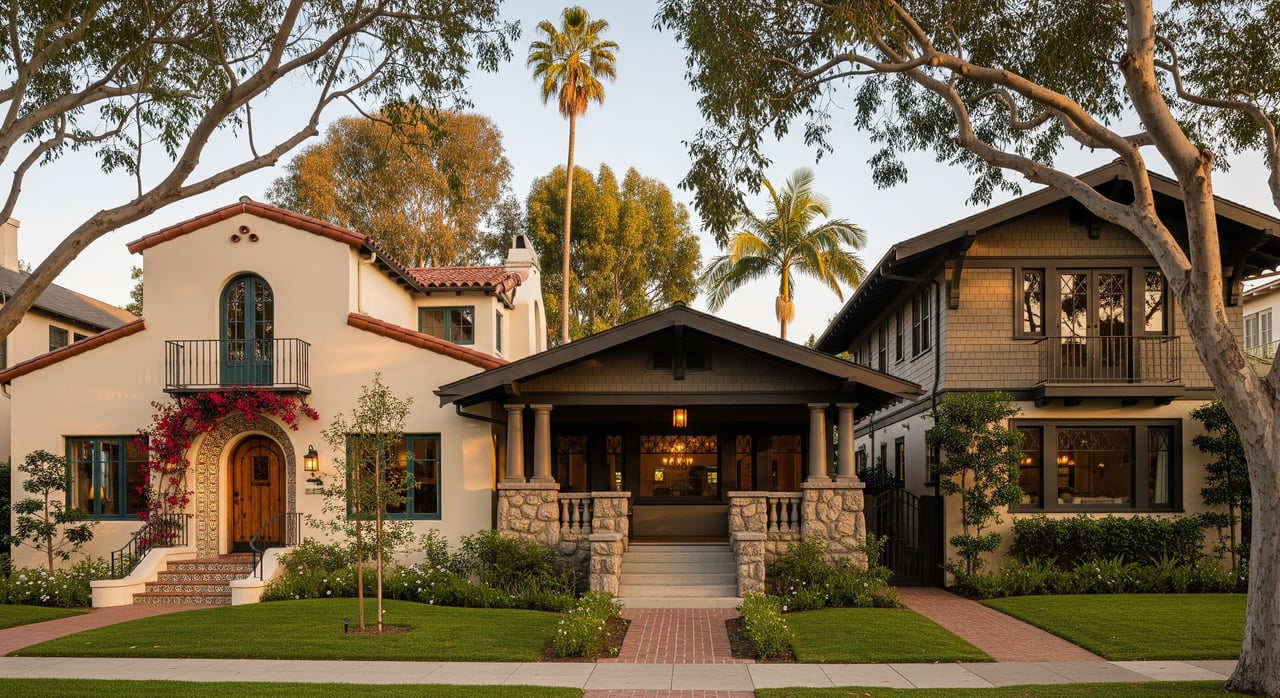
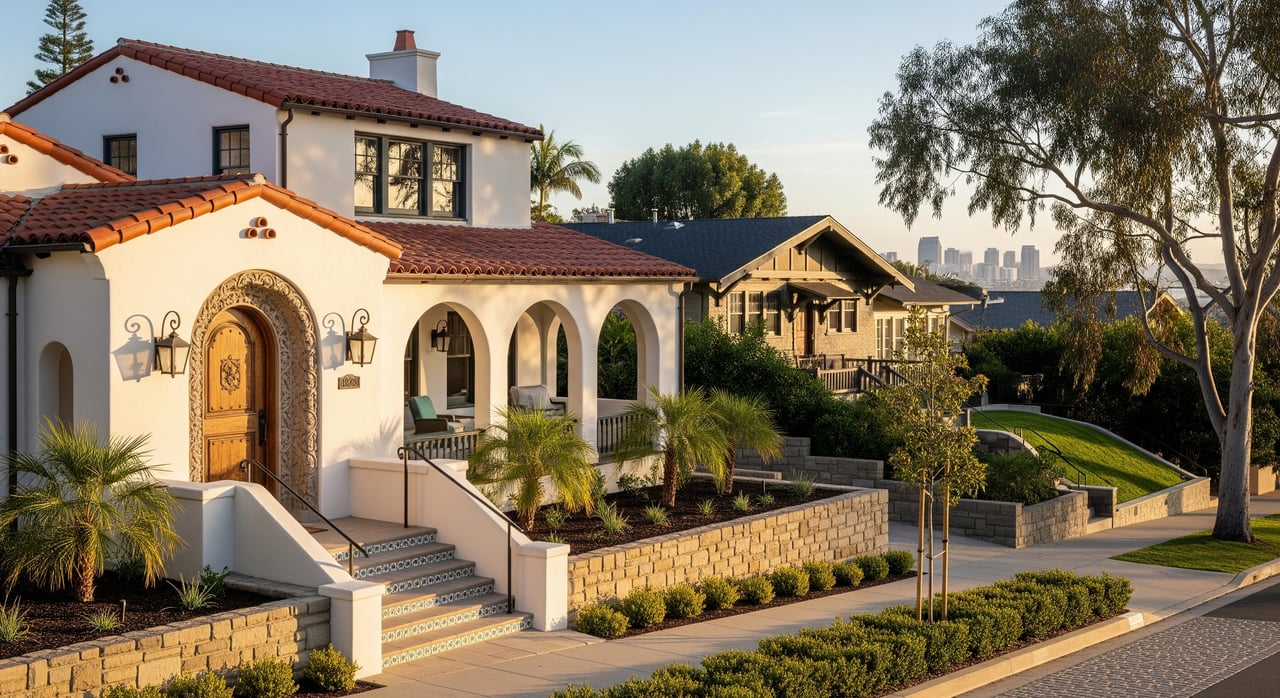
Mission Hills is known for early 20th-century homes that showcase craftsmanship and architectural detail. You will find a mix of original character, thoughtful remodels, and some later infill.
Common home types
- Craftsman bungalows and larger Craftsman residences from the early 1900s through the 1920s
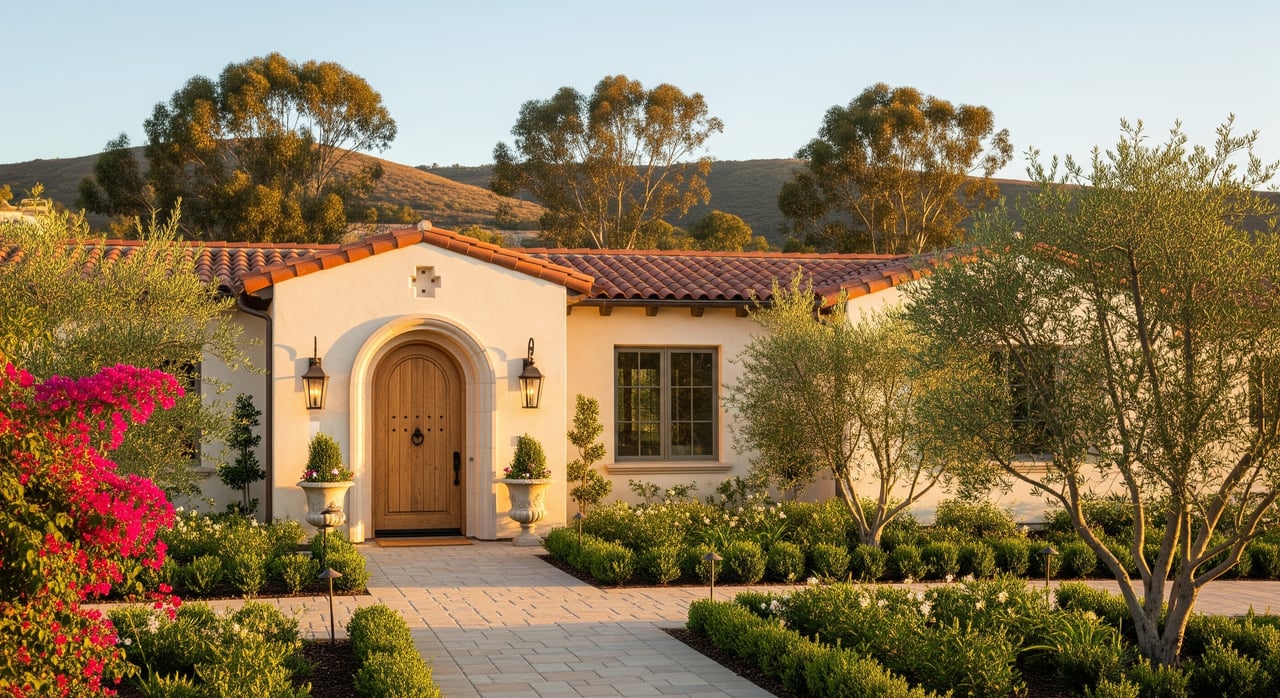
- Spanish Colonial Revival and Mediterranean styles from the 1920s and 1930s
- Tudor and English cottage-style homes with period details
- A smaller number of condominiums and townhomes in multi-family pockets
Lots, views, and parking
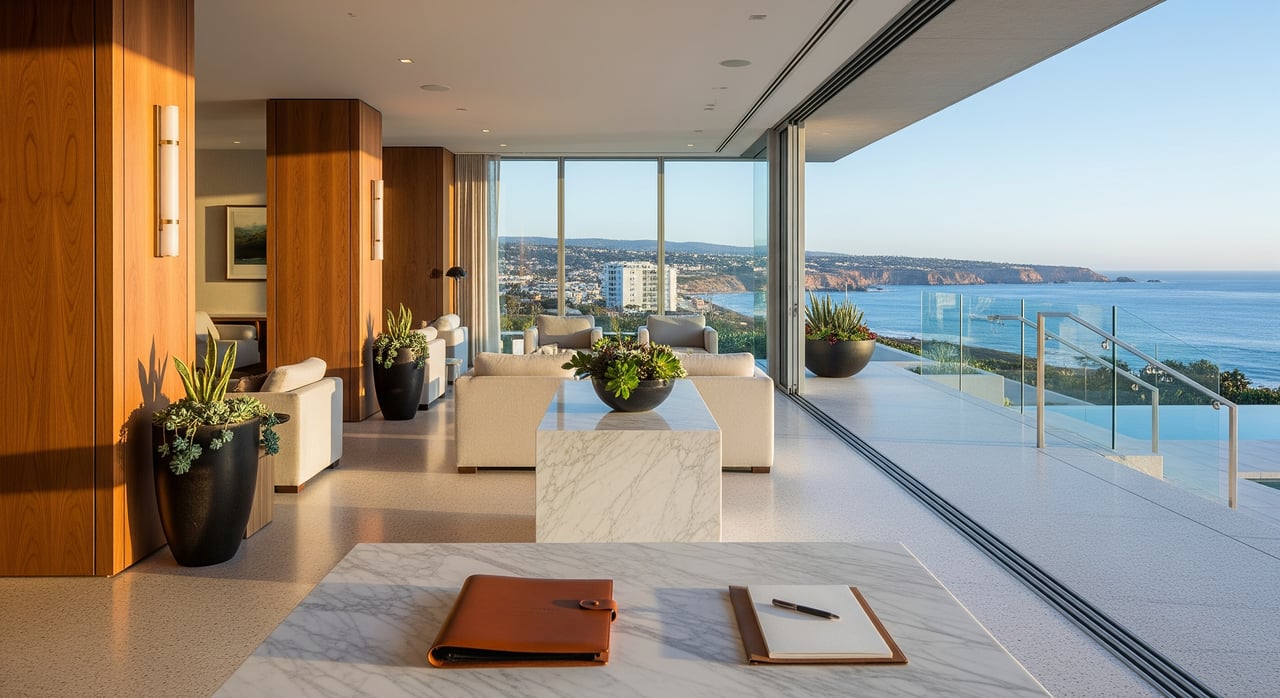
Lots are typically modest urban parcels with front setbacks and small yards. Select streets along the ridges offer bay or city views, sometimes with larger lots. Because many homes predate modern car culture, you may see detached garages or homes that originally had no garage. On narrow streets, on-street parking can be limited, so confirm capacity if you plan for multiple vehicles or frequent guests.
Original vs. updated
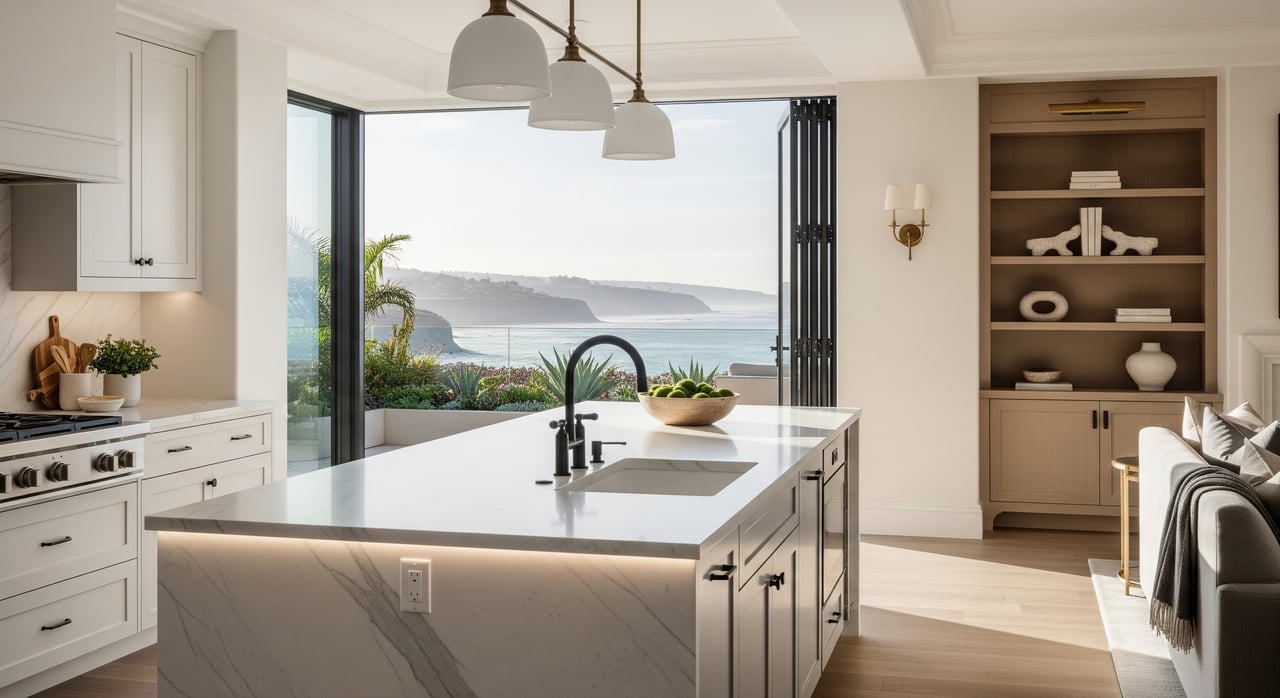
Many homes retain historic exterior character while offering modern kitchens and baths. Others are fully renovated with fewer original features. If you love historic details like built-ins and original windows, inspections should focus on condition and maintenance needs that come with preserving those features. If you prefer turnkey updates, verify that major systems were permitted and upgraded properly.
Historic preservation and the Mills Act
Mission Hills includes properties that are individually designated, located within historic districts, or simply age-eligible for designation. Understanding status and incentives helps you plan your purchase and future projects.
What to check before you offer
- Determine whether the property is a designated historic resource or a contributing resource in a district.
- Confirm any existing preservation easements or recorded obligations that transfer to you at closing.
- For exterior changes, learn whether design review could apply because of local designation.
Mills Act basics
The Mills Act is a California program that can reduce property taxes for qualified historic properties in exchange for a preservation agreement. Key points:
- Eligibility often requires that a property is a designated historic resource and that it enrolls through the local jurisdiction.
- Benefits can be substantial compared with standard assessments, but savings vary by property and valuation method.
- Obligations typically include maintaining the property and submitting to review of certain alterations, especially exterior work.
- Contracts are long-term and generally transfer with the property, so you assume the agreement as the new owner.
If a home already has a Mills Act contract, review it during escrow and speak with the county assessor and a tax adviser about how it may affect your ongoing payments.
How to verify status
- Ask the seller or listing agent for documentation of historic designation and any Mills Act contract.
- Confirm listing or designation with the City of San Diego’s Planning Department and Historic Resources staff.
- Verify Mills Act enrollment and tax assessment details with the San Diego County Assessor.
- Check with your lender and insurance broker early, since some providers have specific guidelines for historic properties.
Getting around and commuting
Mission Hills has a central location that supports a variety of travel options. Your experience will depend on your exact block, the terrain, and your daily routes.
Walk, bike, and transit
Commercial nodes are walkable, but hills can make everyday biking more demanding. MTS bus routes serve the neighborhood and connect to Downtown, Old Town, and nearby hubs. Light rail service does not run through Mission Hills; the nearest Trolley stations are typically in Old Town and surrounding areas. If transit is important to you, check route maps and schedules that align with your commute.
Driving and parking
With I-5 and SR-163 nearby, you can reach Downtown and regional destinations quickly outside peak hours. During showings, drive your commute in both directions to gauge timing. On-street parking and driveways vary block by block, so confirm that parking meets your needs before you commit.
Smart buying steps in Mission Hills
A thoughtful plan will help you move confidently, especially when you are evaluating historic homes or competing for a standout property.
Start your search the right way
- Partner with a local agent who knows Mission Hills and historic homes. Ask for targeted MLS alerts and recent comparable sales for similar vintage properties.
- Clarify your priorities: authenticity and period details, a view lot, walk-to-cafes convenience, or parking capacity.
- Preview off-market and coming-soon opportunities, which can be more common in tight urban neighborhoods.
Showings and inspections
- Visit at different times of day to evaluate light, noise, traffic, and parking.
- Hire a general inspector experienced with older homes, and consider specialists for foundation, termite, electrical, and potential lead or asbestos concerns.
- Verify permits on additions, garage conversions, and major system upgrades. Unpermitted work is a common escrow issue.
- If the home has significant original features, document the condition of windows, built-ins, and finishes that may be costly to restore.
Financing and insurance
- Conventional, FHA, and VA loans are common. Unique historic features can sometimes require extra appraisal attention.
- If a property has a Mills Act contract, ask your lender how the assessed taxes will be treated in debt-to-income calculations.
- Price insurance carefully. Older homes may require different replacement-cost considerations and carriers who understand historic materials.
Negotiation and market context
- Market conditions can shift quickly with interest rates and inventory. Review current reports from local and state Realtor associations for pricing and days on market trends.
- In competitive moments, be prepared to act fast with clean terms. In slower periods, negotiate price and inspection credits where appropriate.
- Build in time for specialized inspections and for confirming historic status, permits, and any Mills Act obligations.
Common red flags to watch
- Unpermitted additions or significant alterations
- Deferred maintenance in roof, foundation, drainage, or original systems
- Removed or altered character-defining features without permits
- Recorded preservation easements or Mills Act obligations you are not prepared to take on
Quick buyer checklists
Your first-week game plan
- Define must-haves: architectural style, lot size, view, walkability level, parking needs
- Engage a Mission Hills-savvy agent and request neighborhood comps and a curated listing list
- Get pre-qualified with a lender and schedule a pre-offer consult with a home inspector
- If historic status is mentioned, request designation documents and any Mills Act contract up front
What to document at showings
- Major systems: electrical panel, plumbing, HVAC, water heater, roof condition
- Exterior and site: drainage, foundation access, stucco or siding condition, window status
- Interior details: built-ins, original woodwork, tile, and period fixtures
- Modifications: additions, garage conversions, attic or basement changes, and any visible permit stickers or lack thereof
Schools and planning basics
Mission Hills properties are within the San Diego Unified School District, but exact school assignments can vary from block to block. Verify school boundaries by address directly with the district. For planning questions, review the City of San Diego’s zoning maps and land-use designations to understand what is permitted on a particular lot, including potential for ADUs.
Why work with a local advisor
Buying in Mission Hills rewards local expertise. From verifying historic status to understanding block-by-block parking or topography, you benefit from guidance that blends neighborhood knowledge with a careful transaction process. As a San Diego native with a family background in homebuilding and design, and with access to brokerage-level marketing and resources, Dawn helps you evaluate architectural integrity, weigh renovation potential, and navigate the details that make Mission Hills unique.
If you are considering a move into Mission Hills, reach out to schedule a consult or start a tailored home search with Dawn Surprenant. You will get clear guidance, a curated plan, and a confident path to closing.
FAQs
What makes Mission Hills different from other San Diego neighborhoods?
- Its early 20th-century architecture, ridge-top views, compact street grid, and quick access to Downtown and Balboa Park create a distinct historic-urban feel.
How does the Mills Act affect my property taxes in Mission Hills?
- The Mills Act can lower taxes for qualified historic homes in exchange for a preservation agreement, but savings and obligations vary by property and contract.
Are most Mission Hills homes walkable to shops and cafes?
- Many are near Washington Street and Fort Stockton Drive, but hills and topography mean walkability can vary by block, so test your specific routes.
Does Mission Hills have light rail service within the neighborhood?
- No. MTS buses serve Mission Hills, and the nearest Trolley access is typically in Old Town and nearby hubs.
What inspections are most important for older homes in Mission Hills?
- In addition to a general inspection, consider foundation, termite, electrical, and potential lead or asbestos evaluations, plus permit verification for any additions.